Agentic AI: How Microsoft’s Vision Could Reinvent the SaaS Business Model
Introduction
The rise of advanced artificial intelligence has sparked a major concern in the software industry: will AI reduce the need for human workers—and ultimately shrink software revenues? However, a new idea proposed by Rajesh Jha, Vice President at Microsoft, may completely change that narrative.
His concept of “Agentic AI” introduces a future where AI agents are treated like human employees—potentially transforming how software companies earn revenue.
What is Agentic AI?
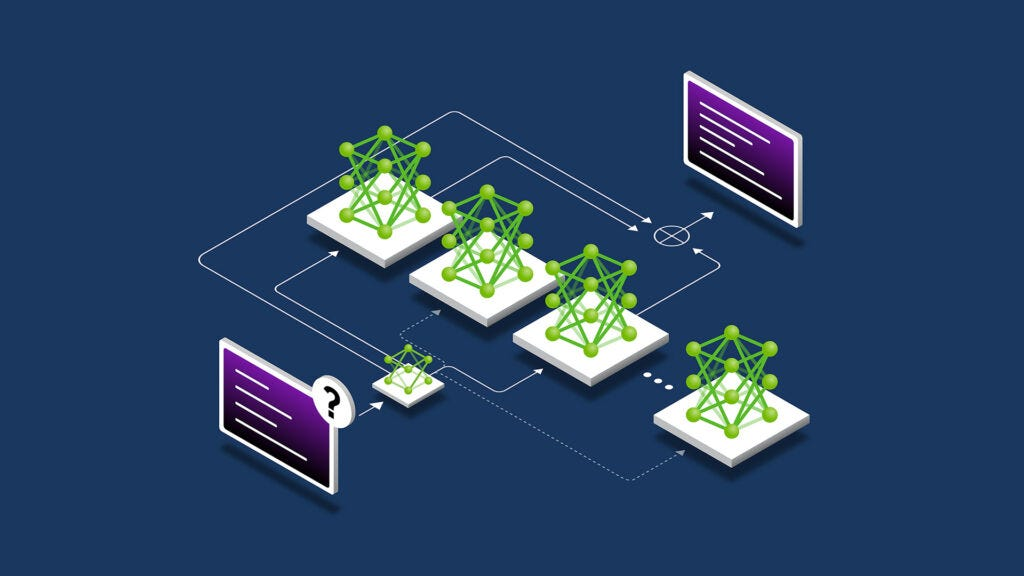
Agentic AI refers to intelligent systems capable of performing tasks independently, much like human workers. These AI agents can manage workflows, interact with software, and even make decisions with minimal human intervention.
Instead of being just tools, these agents act as digital employees within an organization.
The Big Idea: AI Agents as Software Users
Traditionally, SaaS (Software as a Service) companies follow a seat-based pricing model, where businesses pay per user. Fewer employees typically mean fewer licenses and lower revenue.
Rajesh Jha’s idea flips this model:
- AI agents will have individual identities
- They will get login credentials, email accounts, and access permissions
- Each AI agent will require its own paid software license
In simple terms, companies won’t just pay for human employees—they’ll also pay for AI workers.
Solving the “Claude Fear”
The emergence of powerful AI models like Anthropic’s Claude has raised concerns in the tech industry. These fears—often called “Claude fears”—suggest that:
- AI will increase productivity
- Companies will need fewer employees
- Software subscriptions will decline
However, the Agentic AI model addresses this directly.
Instead of reducing revenue, AI could actually increase the number of paid users.
How This Model Protects SaaS Revenue
Let’s break it down with a simple example:
- Earlier:
- 20 employees = 20 software licenses
- With AI:
- 10 employees + 50 AI agents
- Total = 60 licenses
Even though human headcount decreases, total software usage—and revenue—goes up.
This shift could benefit major SaaS companies like:
- Salesforce
- Workday
- Microsoft
Implications for Businesses
If this model becomes reality, it will reshape how organizations operate:
1. Hybrid Workforce
Companies will manage both human employees and AI agents together.
2. New IT Infrastructure
AI agents will need:
- Identity management
- Security controls
- Access governance
3. Increased Automation
Routine and repetitive tasks will be handled by AI agents, improving efficiency.
Challenges to Consider
While promising, the Agentic AI model also raises important challenges:
- Cost Control: Too many AI agents could increase expenses
- Security Risks: Managing access for AI agents needs strict controls
- Ethical Concerns: Defining responsibility for AI decisions
The Future of SaaS in an AI-Driven World
Rajesh Jha’s vision suggests that AI won’t destroy the SaaS business—it will evolve it. By treating AI agents as users, software companies can create a new revenue stream while enabling businesses to scale faster.
Instead of fewer users, the future may bring more digital workers than human ones.
Conclusion
The fear that AI will disrupt traditional software pricing models is real—but it may be misplaced. With the Agentic AI approach, companies could not only maintain but significantly grow their software usage and revenue.
As AI continues to advance, one thing is clear: the definition of a “user” is about to change forever.