
Bigger Threat Than Mythos? This AI Found Bugs Even Anthropic Missed
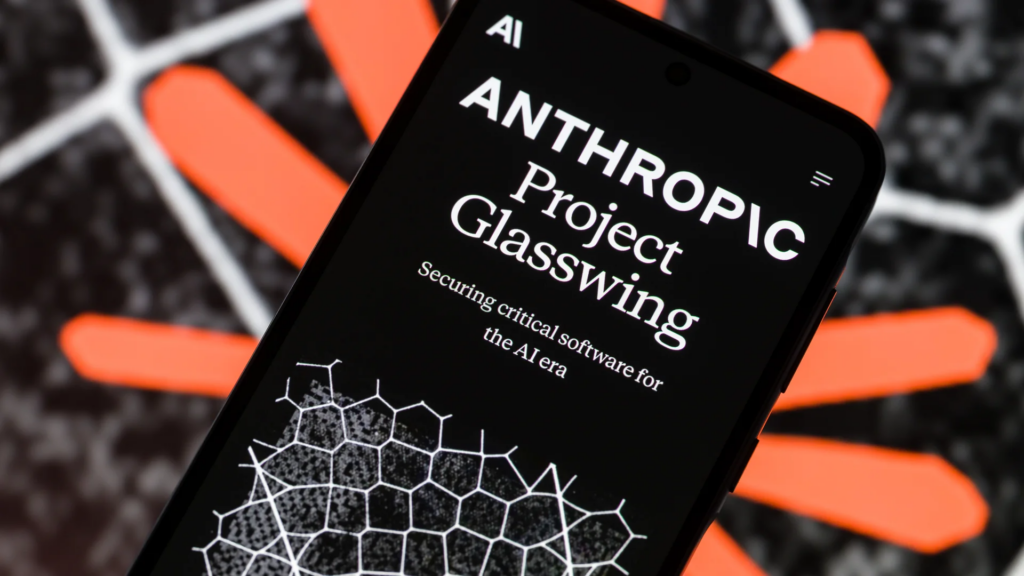
Artificial intelligence is rapidly transforming industries, but one of its most surprising impacts is unfolding in cybersecurity. Recent developments suggest that AI systems are becoming incredibly effective at discovering hidden software vulnerabilities—sometimes finding issues that even experienced researchers and advanced security teams fail to detect. The latest discussions around Anthropic’s cybersecurity-focused AI, Mythos, have raised an important question: are we entering a future where AI becomes better than humans at identifying digital threats?
For years, software security depended heavily on human researchers, penetration testing teams, and bug bounty programs. Experts manually inspected code, analyzed system behavior, and searched for weaknesses that hackers could exploit. However, AI is changing this process dramatically. Instead of taking weeks or months to review millions of lines of code, advanced models can scan massive systems quickly and identify hidden patterns humans might overlook.
What makes this story even more interesting is the role of Mythos itself. Anthropic designed Mythos specifically for cybersecurity applications, giving it powerful vulnerability-detection abilities. Reports suggest the system has identified hundreds of security flaws across operating systems and browsers. Some of these vulnerabilities had remained unnoticed for years before being detected with AI assistance.
Yet recent findings suggest an even larger shift may be underway. AI-assisted researchers have reportedly discovered bugs and security weaknesses that traditional methods and previous investigations had missed. Cases involving browser vulnerabilities and platform security flaws demonstrate how AI can uncover hidden pathways that are difficult for humans to identify manually.
This creates a major opportunity—but also a challenge.
On one side, AI could become the most powerful cybersecurity defense tool ever created. Organizations can use these systems to identify risks faster, patch vulnerabilities earlier, and protect users before attacks occur. Recent reports indicate that AI-assisted bug discovery has already helped security teams uncover and fix hundreds of critical software issues.
On the other hand, the same technology could potentially help cybercriminals discover weaknesses at unprecedented speed. If powerful AI systems become widely accessible, attackers may automate parts of the hacking process, increasing both the scale and complexity of cyber threats.
Still, cybersecurity experts argue that the situation should not be exaggerated. Finding a bug is only the first step. Turning a vulnerability into a real-world exploit often requires extensive testing, technical expertise, and human decision-making. AI may accelerate discovery, but humans remain essential in understanding and acting on these findings.
The real question is no longer whether AI can find bugs—it clearly can. The challenge now is deciding how society uses these tools responsibly. As AI grows more powerful, the future of cybersecurity may become less about humans versus hackers and more about intelligent systems competing against each other in an ongoing race for digital safety.