
Pentagon Starts Testing New AI Models to Replace Anthropic Claude
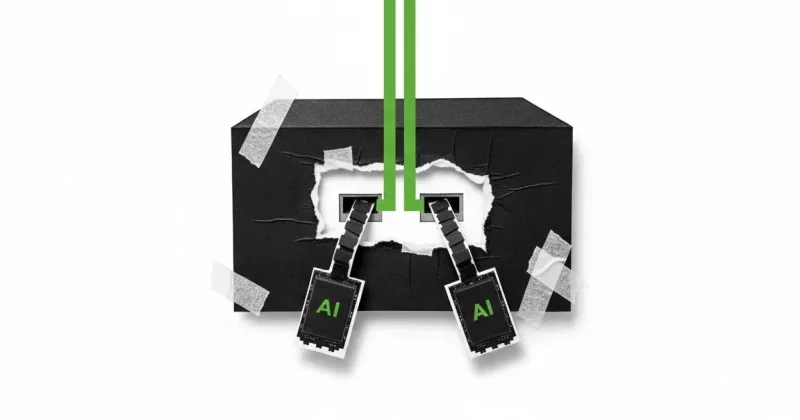
The race to dominate artificial intelligence in government and defense is entering a new chapter. Reports suggest that the Pentagon has started testing alternative AI systems from leading technology companies, including OpenAI and Google, as it seeks replacements for Anthropic’s Claude models. This shift marks a major development in the relationship between military institutions and frontier AI technologies.
The move follows growing tensions between the U.S. Department of Defense and AI company Anthropic over how AI systems should be used in military environments. Anthropic reportedly maintained restrictions and safeguards around the use of its AI technologies, while defense officials sought broader flexibility for operational purposes. The disagreement eventually led to a breakdown in their partnership.
According to recent reports, Pentagon testing began in March and involves a group of military “power users” evaluating AI models from multiple vendors. Instead of relying on a single provider, defense leaders appear interested in a multi-model strategy that can match different AI systems to different military tasks.
The AI models currently under review reportedly include offerings from OpenAI and Google, among others. Early testing has shown that different AI systems produce different responses for identical prompts, reinforcing the idea that one model may not fit every use case.
Anthropic’s Claude had previously played an important role within military platforms such as the Pentagon’s digital mission systems. Many users reportedly appreciated Claude for its usability and strong performance. However, broader concerns around long-term reliability and policy alignment pushed the Pentagon to begin exploring alternatives.
This development also highlights a larger trend: AI companies are increasingly becoming strategic national infrastructure providers. Governments now view AI not only as software but as a critical capability influencing intelligence, cybersecurity, logistics, and defense operations. As competition among AI labs intensifies, partnerships with government agencies could become just as important as consumer adoption.
The Pentagon’s testing phase may ultimately reshape how military organizations deploy AI in the future. Rather than placing all trust in one platform, defense agencies appear to be building an ecosystem of competing AI systems designed to maximize capability while reducing dependency on any single provider.
As AI continues to evolve, the intersection of national security and machine intelligence is becoming one of the most important technology stories to watch.