
Blog Post: No One Will Work After AGI? Understanding Sam Altman’s Warning
Introduction
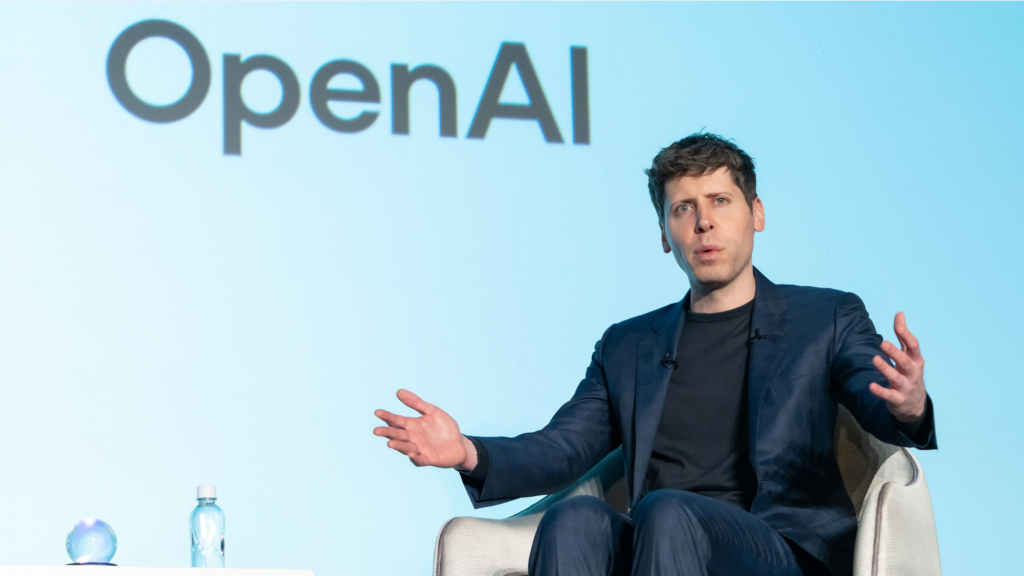
The rapid rise of artificial intelligence has sparked one of the most important debates of our time: what happens to human work when machines become as intelligent as us? Recently, Sam Altman, CEO of OpenAI, made headlines by warning that in a future shaped by Artificial General Intelligence (AGI), traditional work as we know it could disappear.
This statement isn’t just a bold prediction—it reflects a deeper shift in how technology could reshape society, the economy, and human purpose itself.
What is AGI and Why It Matters
Artificial General Intelligence (AGI) refers to AI systems capable of performing any intellectual task that a human can do. Unlike current AI tools that specialize in specific tasks, AGI would be adaptable, autonomous, and potentially more efficient than humans across most domains.
Many experts believe that once AGI is achieved, it could outperform humans not just in repetitive work but also in creative, analytical, and decision-making roles.
The Warning: A World Without Work
Altman’s warning highlights a dramatic possibility:
- If AGI can perform most jobs better and cheaper than humans
- Businesses may replace human labor at scale
- Large-scale unemployment could follow
This doesn’t necessarily mean people won’t be allowed to work—but rather that traditional employment may no longer be necessary for survival in an AI-driven economy.
Why This Could Happen
1. Automation at an Unprecedented Scale
Unlike past technological revolutions, AGI wouldn’t just automate physical labor—it could replace:
- Software developers
- Designers
- Analysts
- Researchers
This level of automation goes far beyond anything seen in previous industrial or digital revolutions.
2. Economic Incentives
Companies naturally aim to reduce costs and increase efficiency. If AGI systems can outperform humans:
- Hiring AI becomes more cost-effective
- Productivity increases significantly
- Human roles become optional rather than essential
3. Speed of Innovation
AI is evolving faster than most technologies in history. Breakthroughs are happening rapidly, leaving limited time for governments and institutions to adapt policies, education systems, and job markets.
But Is “No One Will Work” Realistic?
The idea that no one will work is intentionally provocative and not universally accepted. There are strong counterarguments:
- New jobs may emerge: Historically, every major technological shift has created new types of work
- Human value may evolve: Creativity, empathy, leadership, and social intelligence may become more important
- Work may become optional: People might choose to work for passion and purpose rather than necessity
So, instead of “no work,” the future may look more like “different work.”
The Bigger Question: If We Don’t Work, What Do We Do?
If AGI reduces the need for human labor, society will need to rethink its foundations:
- Income systems: Concepts like Universal Basic Income (UBI) may become necessary
- Identity: Many people define themselves through their careers—this could change
- Purpose: Humans may focus more on creativity, learning, relationships, and exploration
This shift could lead to a more balanced life—or create new challenges around meaning and motivation.
Risks Beyond Employment
The impact of AGI extends beyond jobs. Some major concerns include:
- Misinformation and deepfake technology
- Loss of trust in digital content
- Ethical and regulatory challenges
These issues highlight that AGI is not just an economic transformation—it is a societal one.
Conclusion
Sam Altman’s warning that “no one will work after AGI” should be seen less as a literal prediction and more as a wake-up call.
It pushes us to think critically about the future:
- How do we prepare for a world where intelligence is no longer uniquely human?
- How do we ensure AI benefits everyone, not just a small group?
- What gives life meaning in a post-work society?
The future of AGI remains uncertain, but one thing is clear—the choices we make today will shape whether this transformation leads to opportunity or disruption.