
OpenAI Launches Robotics Hiring Spree for Personal AI Assistants: A New Era of Intelligent Robots
Introduction
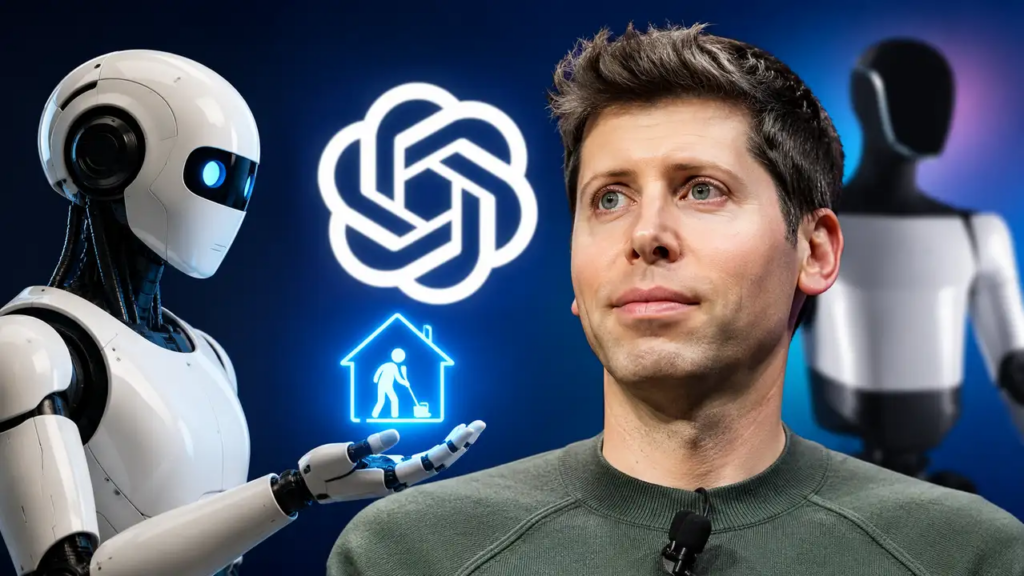
Artificial Intelligence has already transformed the way we work, communicate, and access information. Now, OpenAI is taking a major step beyond software by expanding its robotics division and actively hiring engineers to help build the next generation of AI-powered robots. This move signals a future where personal AI assistants may not just exist on our screens but could physically assist us in our daily lives.
OpenAI’s Return to Robotics
OpenAI previously explored robotics before shifting its primary focus toward large language models such as ChatGPT. However, recent developments indicate a strong return to the field. CEO Sam Altman announced that the company is hiring hardware, systems, operations, and machine learning engineers for its robotics team, demonstrating a renewed commitment to embodied AI—AI that can interact with the physical world.
The company currently lists multiple robotics-related positions, ranging from hardware engineering to robotic systems development, highlighting the scale of its investment in this area.
Why OpenAI Is Investing in Personal AI Robots
The vision goes far beyond industrial automation. OpenAI believes future AI systems will be capable of assisting people in homes, workplaces, and everyday environments. These robots could potentially:
- Help with household chores
- Assist elderly individuals with daily tasks
- Provide support for people with disabilities
- Manage routine office activities
- Serve as intelligent personal assistants in the physical world
This aligns with a broader industry shift toward “Physical AI,” where artificial intelligence is combined with robotic bodies capable of interacting with their surroundings.
What Could These Personal AI Assistants Do?
Imagine having a robot that understands natural language as effectively as ChatGPT while also being able to perform physical tasks.
Potential capabilities may include:
- Organizing household items
- Preparing simple meals
- Managing schedules and reminders
- Monitoring home safety
- Assisting with shopping and deliveries
- Providing companionship and support
OpenAI has already been experimenting with robotic systems trained to perform tasks such as folding laundry and handling everyday household objects. These experiments provide a glimpse into what future personal assistants could achieve.
The Growing Competition in AI Robotics
OpenAI is entering an increasingly competitive market. Companies such as Tesla, NVIDIA, and robotics startups like Figure AI are investing heavily in humanoid robots and AI-powered automation. Industry investment in robotics has grown dramatically in recent years, reflecting widespread belief that intelligent robots could become a multi-trillion-dollar market.
As AI models become more capable, the next challenge is enabling them to interact effectively with the physical world. Robotics represents the bridge between digital intelligence and real-world action.
What This Means for the Future
OpenAI’s hiring push suggests that personal AI assistants may arrive sooner than many people expected. While fully autonomous household robots are still under development, the rapid progress in AI and robotics indicates that these systems could become a normal part of daily life within the coming years.
For consumers, this could mean greater convenience and productivity. For businesses, it may unlock new opportunities in automation, customer service, healthcare, logistics, and home assistance.
Conclusion
OpenAI’s expansion into robotics marks an important milestone in the evolution of artificial intelligence. By combining advanced AI models with robotic capabilities, the company aims to create personal assistants that can not only understand human needs but also act on them in the real world. As the race toward intelligent robotics accelerates, the dream of having a helpful AI companion at home is moving closer to reality.
The future of AI is no longer limited to conversations on a screen—it may soon be walking, helping, and working alongside us.