
Anthropic & Mythos 101: Why India Wants Access and the US Wants Limits
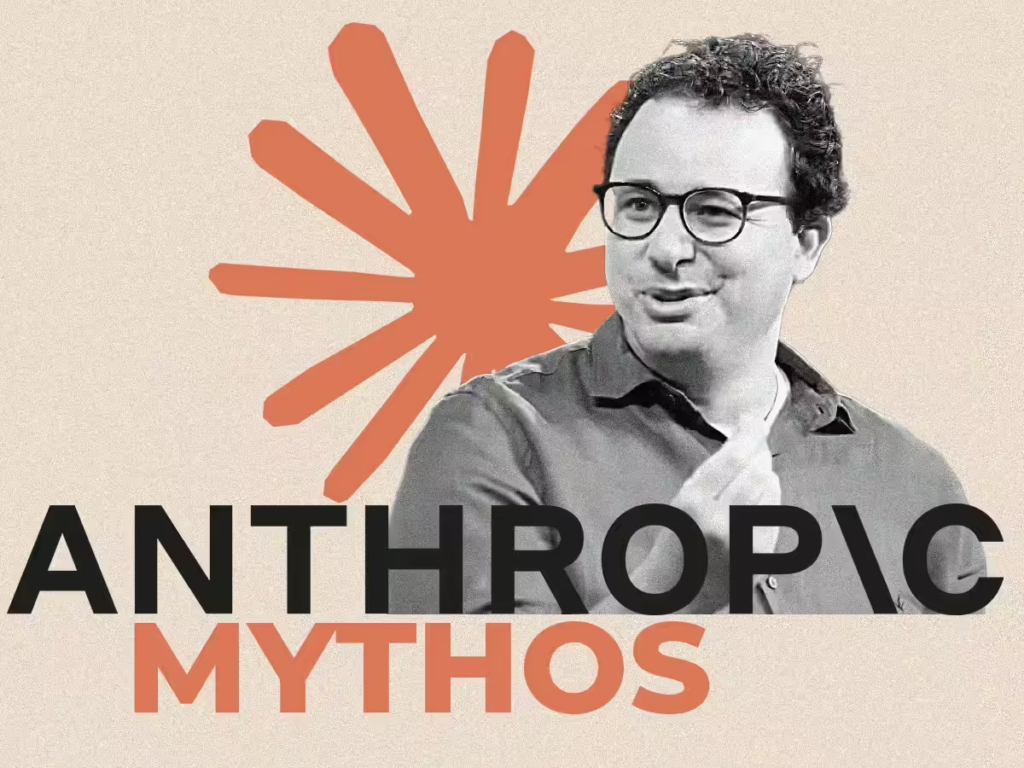
Artificial Intelligence is no longer just a technology trend—it’s a geopolitical asset. At the center of this evolving landscape is Anthropic, a leading AI firm known for building advanced language models like Claude. Recently, discussions around “Mythos”—a shorthand for cutting-edge, high-capability AI systems—have sparked a global debate. Countries like India are advocating for wider access, while the United States is urging tighter control.
So what’s really going on? Let’s break it down.
What is “Anthropic Mythos”?
“Anthropic Mythos” isn’t a single product but represents the next generation of powerful AI systems—models capable of reasoning, coding, research, and decision-making at near-human or even superhuman levels. These systems are built with safety and alignment in mind, a core philosophy of Dario Amodei, who has consistently emphasized responsible AI development.
Why India Wants Broader Access
India is rapidly becoming a global tech powerhouse. With its massive developer base, growing startup ecosystem, and government-backed AI initiatives, access to advanced AI models is seen as critical.
1. Boosting Innovation and Startups
India’s tech ecosystem thrives on accessibility. Limiting access to advanced AI tools could slow down startups working in healthcare, fintech, and education.
2. Digital Public Infrastructure
India has already built large-scale digital systems like Aadhaar and UPI. Integrating powerful AI models can enhance governance, automation, and citizen services.
3. Competing Globally
Without access to frontier AI, Indian companies risk falling behind global competitors, particularly those in the US and China.
Why the United States Wants Restrictions
The United States, home to companies like OpenAI and Google, is taking a cautious approach.
1. National Security Concerns
Advanced AI can be used for cyber warfare, misinformation campaigns, and surveillance. Limiting access helps prevent misuse by hostile actors.
2. Maintaining Technological Leadership
AI is seen as the “new oil.” By restricting access, the US aims to maintain its competitive edge in innovation and defense.
3. Safety and Misuse Risks
High-capability AI systems can be misused if not properly regulated. The US government is pushing for controlled deployment to avoid unintended consequences.
The Core Tension: Open Access vs Controlled Power
At its heart, this debate reflects two competing philosophies:
- India’s View: AI should be democratized to drive inclusive growth.
- US View: AI should be controlled to ensure safety and strategic advantage.
This tension is similar to earlier debates around nuclear technology and the internet—how much should be shared, and with whom?
What This Means for the Future
The outcome of this debate will shape the global AI landscape in the coming decade:
- For Businesses: Access to AI will determine competitiveness.
- For Governments: AI policy will become a key part of foreign relations.
- For Society: The balance between innovation and safety will define how AI impacts everyday life.
Final Thoughts
The “Anthropic Mythos” debate is not just about one company or one country—it’s about the future of intelligence itself. As nations like India push for inclusion and the US emphasizes control, the world is heading toward a new kind of digital diplomacy.
How this balance is struck will determine whether AI becomes a universally empowering tool—or a tightly controlled strategic resource.