
Japan’s Second-Richest Man Rushed to Fund OpenAI Now the Promise May Be Hurting Him
The global artificial intelligence race has attracted billions of dollars from investors eager to support the next technological revolution. Among the most aggressive investors is Japanese billionaire Masayoshi Son, founder and CEO of SoftBank. Known for making bold and high-risk investments, Son committed massive funding to Sam Altman’s OpenAI, the company behind advanced AI technologies like ChatGPT. However, this ambitious commitment may now be creating financial pressure for him and his company.
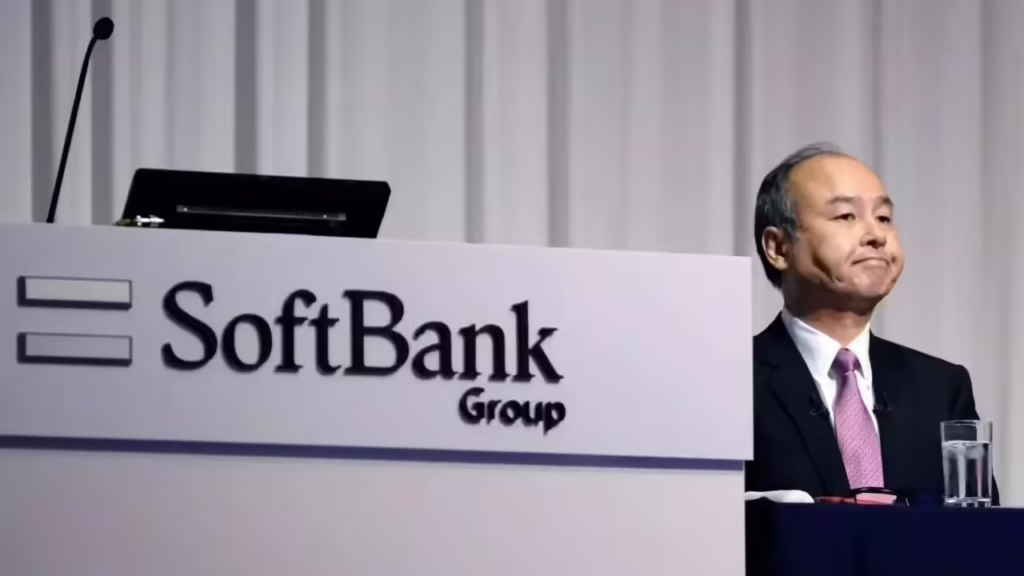
The Massive Bet on OpenAI
Masayoshi Son has long believed that artificial intelligence will transform the global economy. To place SoftBank at the center of this transformation, the company committed tens of billions of dollars to OpenAI.
This investment positioned SoftBank as one of the biggest supporters of the AI company and strengthened its relationship with OpenAI’s leadership. The funding is expected to accelerate the development of powerful AI systems and large-scale computing infrastructure.
For Son, the investment is not just about financial returns but also about shaping the future of technology.
A Race to Raise Billions
While the vision is ambitious, the challenge lies in financing such a massive investment. To meet the funding commitment, SoftBank had to quickly raise billions of dollars.
The company reportedly explored several strategies, including selling portions of its technology investments, restructuring assets, and securing loans backed by valuable holdings. These moves were necessary to generate the liquidity required to fulfill the OpenAI investment commitment.
Although these actions demonstrate Son’s determination to lead in the AI revolution, they also highlight the financial pressure such commitments can create.
Why the Promise May Be Hurting Him
Experts believe that SoftBank’s aggressive investment strategy could create certain risks.
1. Financial Pressure
Raising billions in a short period often means selling important assets or taking on additional debt. This can put pressure on the company’s financial stability.
2. Loss of Other Investment Opportunities
Selling strong assets to fund AI investments may reduce potential profits from those assets in the future.
3. High Market Expectations
A large and public commitment to AI raises expectations among investors and the market. If AI projects take longer than expected to generate profits, it could affect investor confidence.
A High-Risk, High-Reward Strategy
Masayoshi Son is famous for making bold bets on technology. One of his most successful investments was in Alibaba, which generated enormous returns. However, not all of his investments have been successful, such as the challenges faced with WeWork.
The OpenAI investment could become another defining moment in his career. If artificial intelligence grows as rapidly as predicted, SoftBank could gain a powerful position in the global tech industry. However, if the returns take longer to appear, the massive investment could weigh heavily on the company.
The Future of SoftBank and AI
Despite the risks, Son remains extremely optimistic about artificial intelligence. He believes AI will become far more powerful in the coming years and will reshape industries around the world.
For SoftBank, the future is increasingly connected to the success of AI technologies and companies like OpenAI. Whether this bold investment becomes a huge success or a financial challenge will depend on how the AI revolution develops in the coming years.