
ChatGPT Spends 12 Hours Reasoning to Derive New Physics Formula
ChatGPT has reportedly spent 12 hours “reasoning” through complex calculations to derive a new physics formula a development that is reigniting debate about the role of AI in scientific discovery.
If AI systems can independently work through advanced theoretical problems for extended periods, the implications for research, academia, and innovation could be profound.
Here’s what this breakthrough could mean.
What Does “12 Hours of Reasoning” Actually Mean?
Unlike traditional chat responses that generate answers in seconds, advanced AI models can now operate in extended reasoning modes.
This involves:
- Breaking problems into multi-step logical sequences
- Iteratively testing hypotheses
- Running simulations
- Refining outputs over long computational sessions
Spending 12 hours on a single scientific problem suggests deeper computational persistence rather than instant pattern matching.
It signals a shift from conversational AI to research-grade AI workflows.
AI in Scientific Discovery: Not New, But Evolving Fast
AI has already made significant contributions to science.
For example:
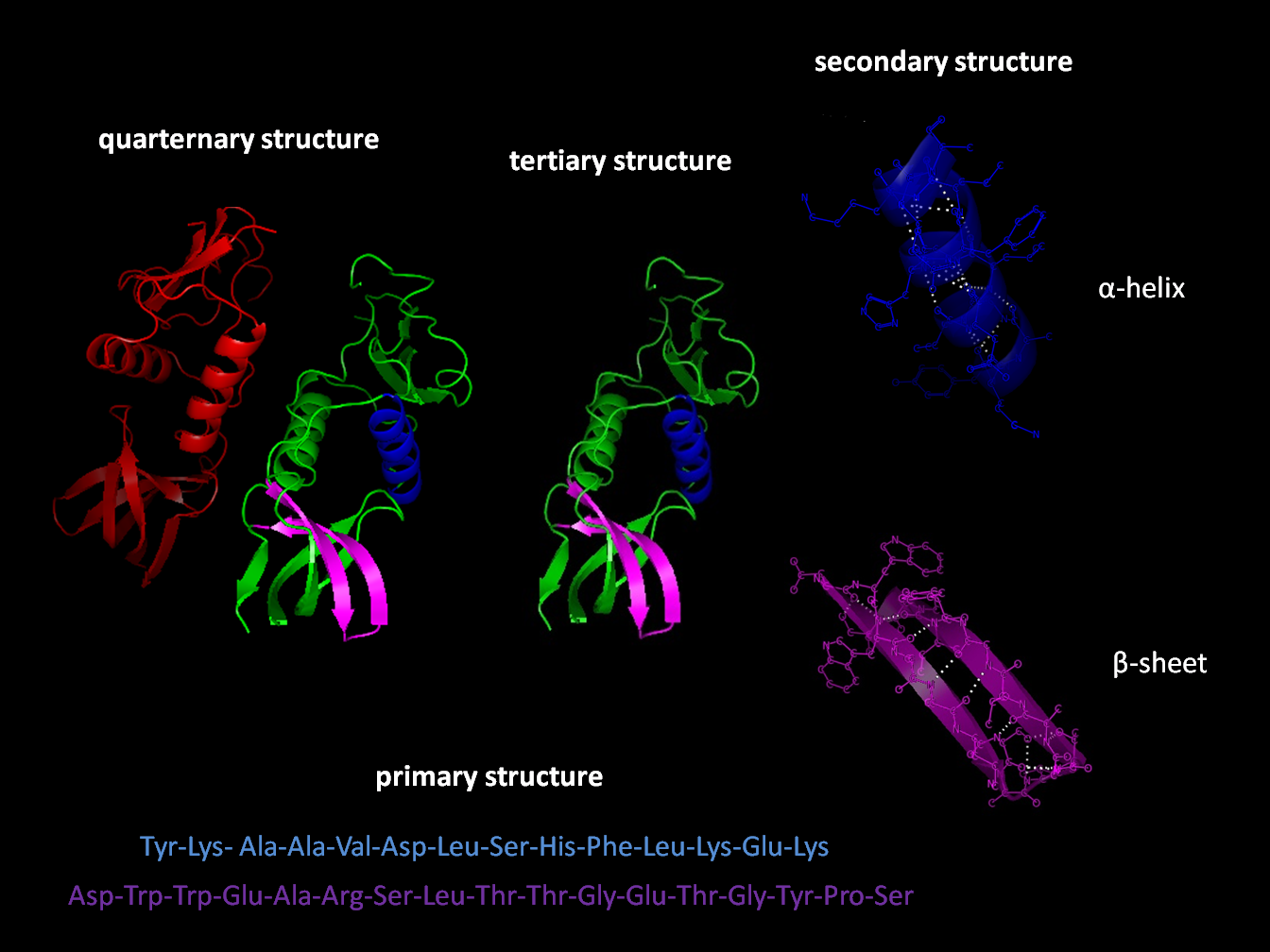
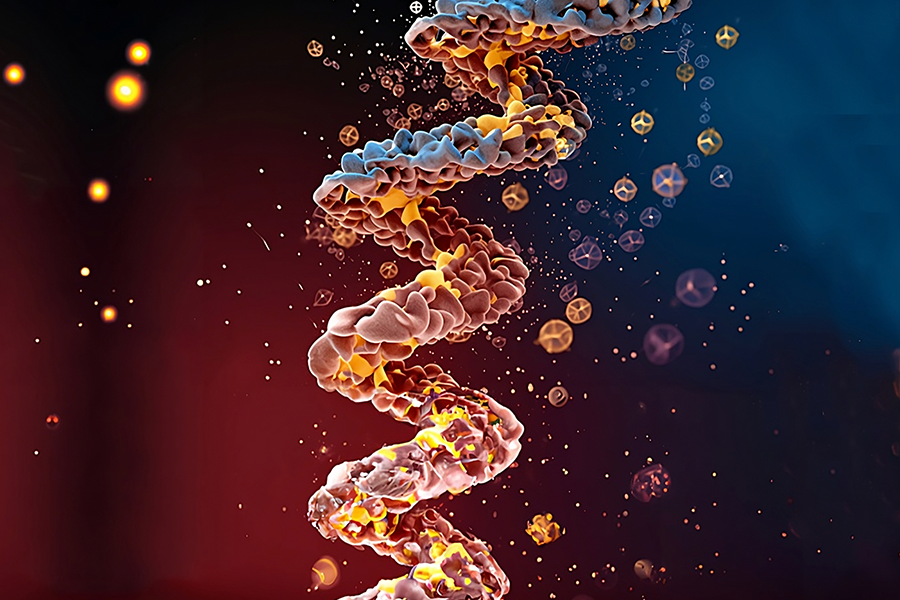
AI systems have helped with:
- Protein structure prediction
- Materials science simulations
- Drug discovery acceleration
- Climate modeling
What’s different now is the depth of reasoning and autonomy involved.
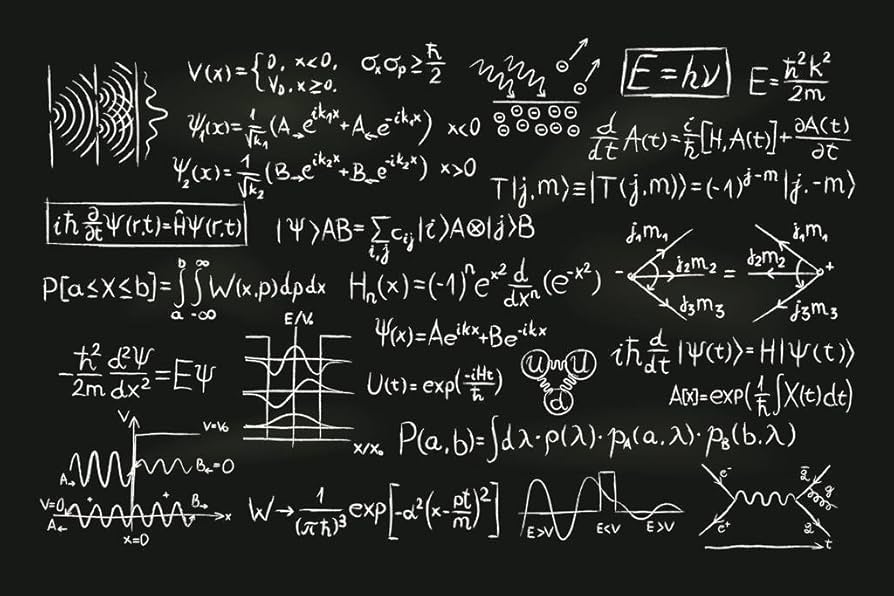
Could AI Derive New Physics?
Physics formulas traditionally emerge from:
- Mathematical deduction
- Experimental validation
- Theoretical modeling
- Years of human peer review
If an AI system can:
- Identify hidden mathematical relationships
- Propose generalized equations
- Simulate edge cases
- Test consistency across models
then it could become a collaborative scientific tool rather than just an assistant.
However, validation remains critical. Any “new formula” must withstand peer scrutiny and experimental testing.
The Power and Limits of AI Reasoning
Even if AI can sustain 12-hour reasoning cycles, several caveats remain:
1. Verification Is Essential
AI outputs must be validated by physicists.
2. Interpretability Matters
Scientists need to understand how the AI reached its conclusion.
3. Hallucination Risks
Large models can sometimes generate plausible but incorrect mathematics.
4. Computational Cost
Extended reasoning consumes significant compute resources.
So while the milestone is impressive, it does not replace human scientific rigor.
A Glimpse Into the Future of Research
Long-duration reasoning systems could transform:
- Theoretical physics
- Quantum mechanics research
- Cosmology modeling
- Advanced materials engineering
Instead of waiting years for incremental discoveries, AI systems might explore thousands of theoretical variations in parallel.
This could dramatically compress research timelines.
The Broader Implication: AI as a Research Partner
The evolution of AI from chatbot to research collaborator may redefine academic workflows.
Imagine AI systems that:
- Draft research hypotheses
- Run simulations overnight
- Flag inconsistencies in equations
- Suggest entirely new theoretical directions
Such systems could amplify human intelligence rather than replace it.
The Bigger Question
If AI can independently derive novel equations, we must ask:
- Who owns AI-generated scientific discoveries?
- How should authorship be attributed?
- Can AI-generated insights win scientific awards?
- What does this mean for academic publishing?
The ethics of AI-driven science may become as important as the science itself.
Final Thoughts
ChatGPT spending 12 hours reasoning to derive a physics formula represents more than a technical curiosity. It reflects a turning point in AI capability from rapid-response text generation to sustained analytical thinking.
Whether this leads to revolutionary scientific breakthroughs or simply enhances existing research methods will depend on validation, collaboration, and responsible deployment.
One thing is clear: AI’s role in science is expanding rapidly.
And the boundary between human and machine discovery is becoming increasingly blurred.