
US Utilities Spend Big on Rising Data Center Demand, but Affordability Concerns Loom
Across the United States, electric utilities are ramping up infrastructure spending to meet soaring demand from data centers. The surge is largely driven by cloud computing, artificial intelligence workloads, and hyperscale expansion. But while utilities invest billions to upgrade grids and generation capacity, affordability concerns are growing for households and small businesses.
The energy demands of the digital economy are reshaping America’s power landscape.
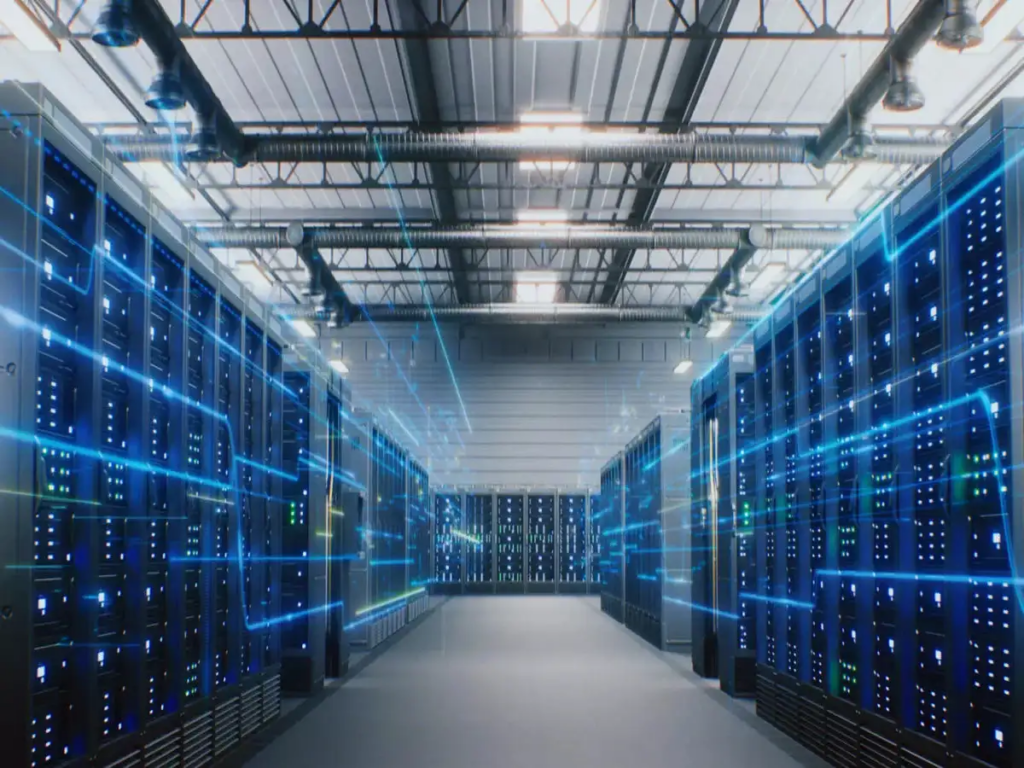
Why Data Center Demand Is Surging
United States has become the global hub for hyperscale data centers. Major operators are expanding rapidly to support AI models, cloud platforms, and enterprise services.
Companies such as:
- Amazon (AWS)
- Microsoft
- Meta
are building massive facilities that consume extraordinary amounts of electricity.
AI workloads in particular require:
- High-density GPU clusters
- Continuous cooling systems
- 24/7 uptime
- Advanced networking infrastructure
Some new data centers can use as much electricity as tens of thousands of homes.
Utilities Are Investing Billions
To keep up, utilities are:
- Expanding transmission lines
- Upgrading substations
- Building new generation plants
- Integrating renewable energy sources
- Modernizing grid infrastructure
In several states, utilities have proposed multi-billion-dollar capital expenditure plans tied directly to anticipated data center growth.
The logic is simple: if utilities fail to scale infrastructure quickly, economic growth and tech investment could stall.
The Affordability Question
While data centers bring jobs and tax revenue, there is growing concern about who ultimately pays for grid upgrades.
Key issues include:
1. Cost Allocation
If utilities spread infrastructure costs across all customers, residential ratepayers could see higher electricity bills.
2. Long-Term Risk
If projected data center growth slows or companies relocate, utilities could be left with stranded assets.
3. Grid Reliability
Rapid load growth may strain existing systems, increasing the risk of outages or requiring expensive backup solutions.
Regulators now face a delicate balancing act: encouraging economic development without burdening everyday consumers.
AI Is Changing Energy Economics
Artificial intelligence has transformed data centers from steady, predictable loads into highly energy-intensive facilities.
Unlike traditional server farms, AI data centers often:
- Demand higher peak power
- Require rapid scaling
- Operate at near-full capacity
This creates planning challenges for utilities that traditionally operate on long-term forecasting models.
Energy demand forecasts in several regions have been revised upward significantly because of AI-driven growth.
Regional Hotspots
States such as:
- Virginia
- Texas
- Arizona
- Georgia
have become data center magnets due to land availability, tax incentives, and favorable regulation.
In Northern Virginia, for example, data center concentration is among the highest in the world, placing immense pressure on local grids.
Renewable Energy and Sustainability Pressures
At the same time, utilities and tech companies are under pressure to meet climate targets.
Hyperscalers often commit to:
- 100% renewable energy matching
- Carbon neutrality goals
- Advanced energy storage solutions
Balancing rapid expansion with sustainability commitments adds another layer of complexity.
Who Benefits and Who Pays?
Supporters argue that data center expansion:
- Drives local economic growth
- Increases tax revenue
- Creates construction and technical jobs
- Positions the US as a global AI leader
Critics worry that:
- Residential customers may subsidize corporate expansion
- Environmental impacts could rise
- Grid risks could increase
Regulatory frameworks will play a decisive role in determining the outcome.
The Bigger Picture
The AI boom has turned electricity into a strategic resource. The race for computational dominance is now deeply intertwined with energy infrastructure.
For utilities, this represents:
- A historic investment opportunity
- A regulatory challenge
- A financial risk
For consumers, the key question remains affordability.
Final Thoughts
US utilities are spending aggressively to power the next era of AI and cloud computing. But as billions flow into grid upgrades and new generation capacity, policymakers must ensure that everyday Americans are not disproportionately burdened.
The digital economy runs on electricity. How that electricity is financed may shape both the future of AI — and the cost of living.