
Extended Reality (XR): The Future of Immersive Digital Experiences
Extended Reality (XR) is transforming how humans interact with digital environments. By combining Augmented Reality (AR), Virtual Reality (VR), and Mixed Reality (MR), XR is creating immersive, interactive experiences that go far beyond traditional screens. From gaming and training to design and virtual collaboration, XR is rapidly becoming a key technology shaping the future of digital innovation.
Understanding XR: AR, VR, and MR Explained
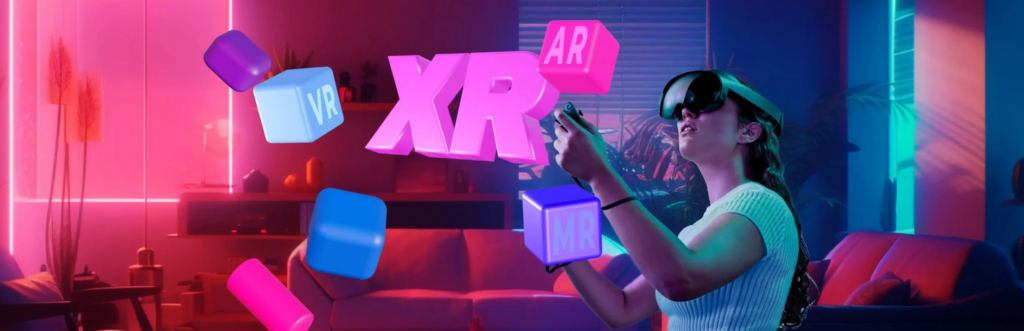
Extended Reality is an umbrella term that includes three core technologies:
- Augmented Reality (AR): Enhances the real world by overlaying digital elements such as images, text, or 3D objects. Popular examples include mobile AR apps and smart glasses used in retail and maintenance.
- Virtual Reality (VR): Creates a fully immersive digital environment using headsets, transporting users into simulated worlds for gaming, training, and virtual events.
- Mixed Reality (MR): Blends physical and digital worlds, allowing virtual objects to interact with real environments in real time. MR is widely used in advanced industrial and design applications.
Together, these technologies enable more natural, engaging, and intuitive user experiences.
Key Applications of XR Across Industries
1. Gaming and Entertainment
XR has revolutionized gaming by delivering deeply immersive experiences. Players can interact with virtual worlds physically, making gameplay more engaging and realistic. Beyond gaming, XR is reshaping concerts, movies, and live events through virtual participation.
2. Training and Skill Development
XR is increasingly used for simulation-based training in sectors like healthcare, defense, manufacturing, and aviation. It allows learners to practice real-world scenarios safely, reducing risk while improving retention and performance.
3. Design, Architecture, and Engineering
Designers and engineers use XR to visualize concepts in 3D before production. Architects can walk clients through virtual buildings, while product designers can test prototypes without physical materials—saving time and cost.
4. Remote Work and Virtual Collaboration
With the rise of hybrid and remote work, XR enables virtual meeting spaces where teams can collaborate in 3D environments. This creates a stronger sense of presence compared to traditional video calls, enhancing communication and productivity.
5. Healthcare and Medical Applications
XR supports surgical planning, medical training, therapy, and patient education. Doctors can visualize complex anatomy in 3D, while VR-based therapy is being used for pain management and mental health treatments.
Why XR Is Gaining Momentum Now
Several factors are accelerating XR adoption:
- Advances in AI, 5G, and cloud computing
- More affordable and lightweight XR devices
- Growing demand for immersive digital experiences
- Increased enterprise adoption for efficiency and innovation
As hardware improves and content becomes more accessible, XR is moving from experimental technology to mainstream business tool.
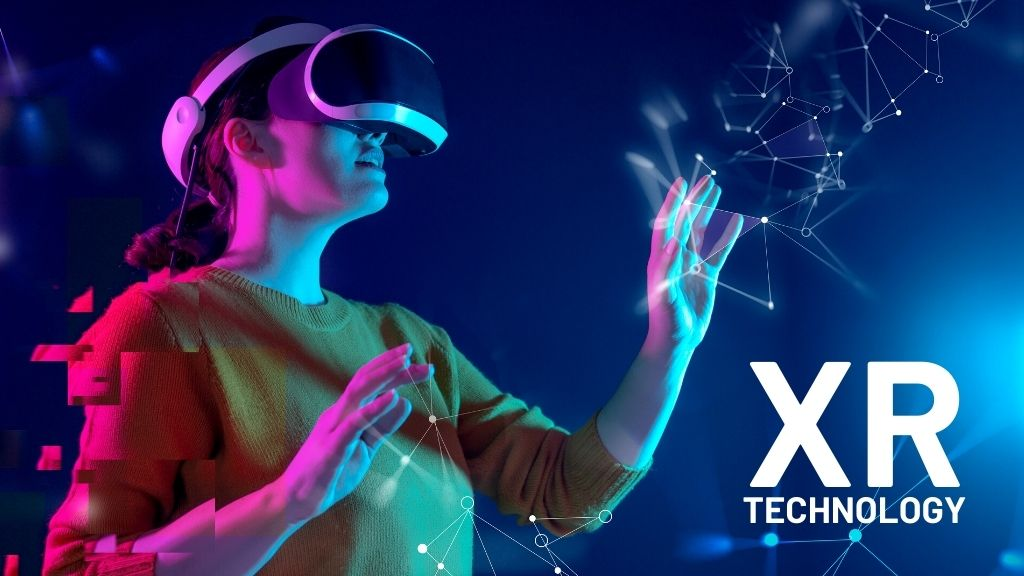
The Future of Extended Reality
The future of XR lies in deeper integration with AI, real-time data, and the metaverse. As XR ecosystems mature, businesses will leverage immersive experiences for training, marketing, collaboration, and customer engagement. XR is not just a trend it’s a foundational technology for the next generation of digital interaction.
Conclusion
Extended Reality (XR) is redefining how we learn, work, play, and connect. By merging the physical and digital worlds, XR unlocks powerful possibilities across industries. Organizations that invest in XR today will be better positioned to lead in an increasingly immersive and experience-driven digital future.