
Self-Driving Tech and AI Take Center Stage at CES 2026 as Automakers Reassess EV Plans
The Consumer Electronics Show (CES) 2026 is underway in Las Vegas, and this year marks a noticeable shift in the automotive narrative. While previous editions of CES were dominated by electric vehicle (EV) unveilings, self-driving technology and artificial intelligence (AI) are now stealing the spotlight signaling a strategic pivot across the global auto industry.
EV Plans Take a Back Seat
Over the past few years, CES became a major platform for automakers to showcase ambitious EV roadmaps. This year, however, the number of new electric vehicle launches has declined sharply. Several automakers have chosen to scale back or delay EV plans due to reduced government incentives, slower-than-expected consumer adoption, and mounting production costs.
With tighter margins and economic uncertainty, manufacturers are reassessing where to invest their resources. Instead of focusing heavily on new EV models, many companies are redirecting budgets toward software-driven innovation that promises faster returns and long-term differentiation.
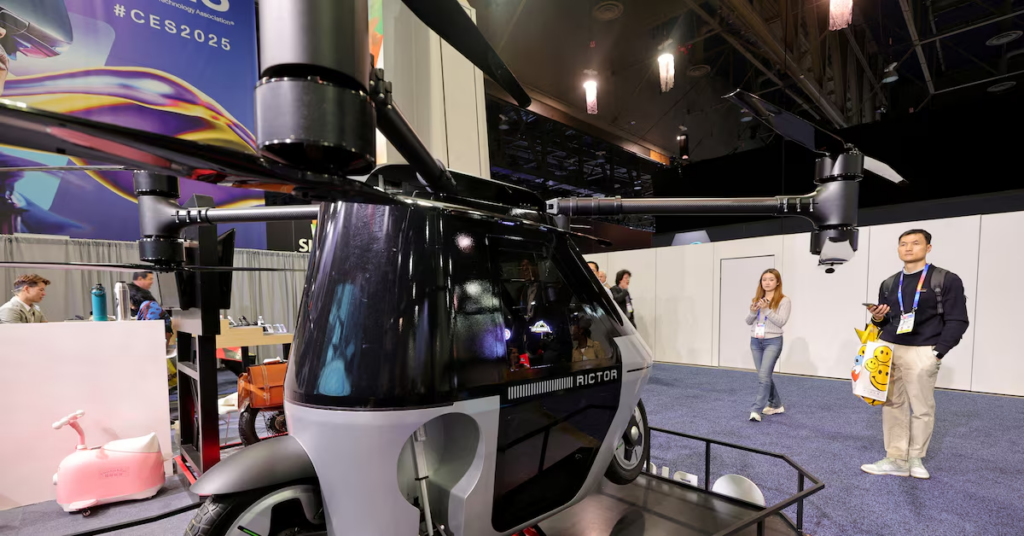
AI and Autonomous Driving Dominate the Show Floor
As EV momentum cools, CES 2026 highlights the rapid rise of AI-powered autonomous driving systems. Automakers and technology firms are showcasing advancements that push vehicles closer to full self-driving capability.
Key areas of focus include:
- Advanced driver-assistance systems (ADAS) powered by machine learning
- AI-based perception systems using cameras, radar, and LiDAR
- Real-time decision-making software for autonomous navigation
- High-performance automotive chips optimized for AI workloads
Technology leaders such as Nvidia, Qualcomm, and AMD are playing a critical role, positioning themselves as core enablers of the next generation of intelligent vehicles.
From EVs to Software-Defined Vehicles
Industry analysts note that the shift at CES reflects a broader transformation underway in mobility. Cars are increasingly becoming software-defined platforms, where intelligence, connectivity, and automation matter as much as if not more than the powertrain.
Autonomous driving and AI offer new revenue opportunities, including:
- Subscription-based software features
- Robotaxi and autonomous fleet services
- Data-driven mobility ecosystems
As competition in the EV space intensifies, automakers are looking beyond batteries and charging infrastructure to differentiate themselves through intelligent systems and user experience.
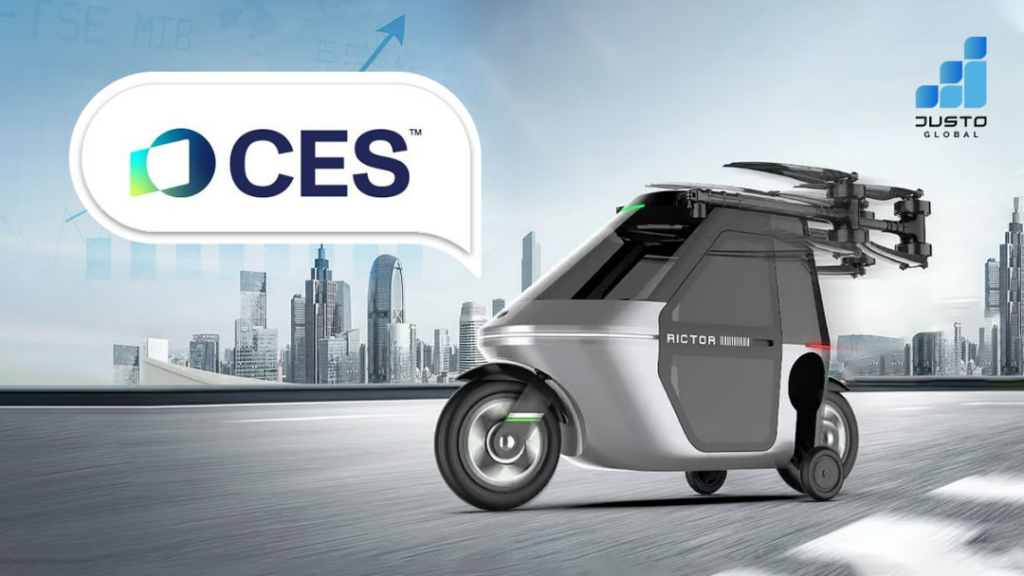
What This Means for the Future of Mobility
CES 2026 underscores a key message: the future of transportation will be shaped as much by code and algorithms as by engines and batteries. While EVs remain a crucial part of the long-term sustainability agenda, the industry’s immediate focus is shifting toward technologies that enhance safety, efficiency, and autonomy.
Fully autonomous vehicles may still be years away from widespread adoption, but progress showcased at CES suggests that AI-driven mobility is moving steadily from experimentation to real-world deployment.
As CES continues, more announcements are expected that further blur the line between automotive manufacturing and advanced computing redefining what it means to build a car in the AI era.