
Airport Chaos & Flight Apocalypse: How a Global Airline System Outage Brought the Skies to a Standstill
Introduction
Air travel across the globe came to a sudden halt as a major airline system outage triggered what social media now calls #AirportChaos and #FlightApocalypse. From packed terminals to grounded aircraft, millions of passengers were affected within hours. Twitter (X) quickly turned into a live news hub, filled with real-time updates, frustration, memes, and urgent questions.
This incident highlights how deeply the aviation industry depends on centralized digital infrastructure — and what happens when it fails.
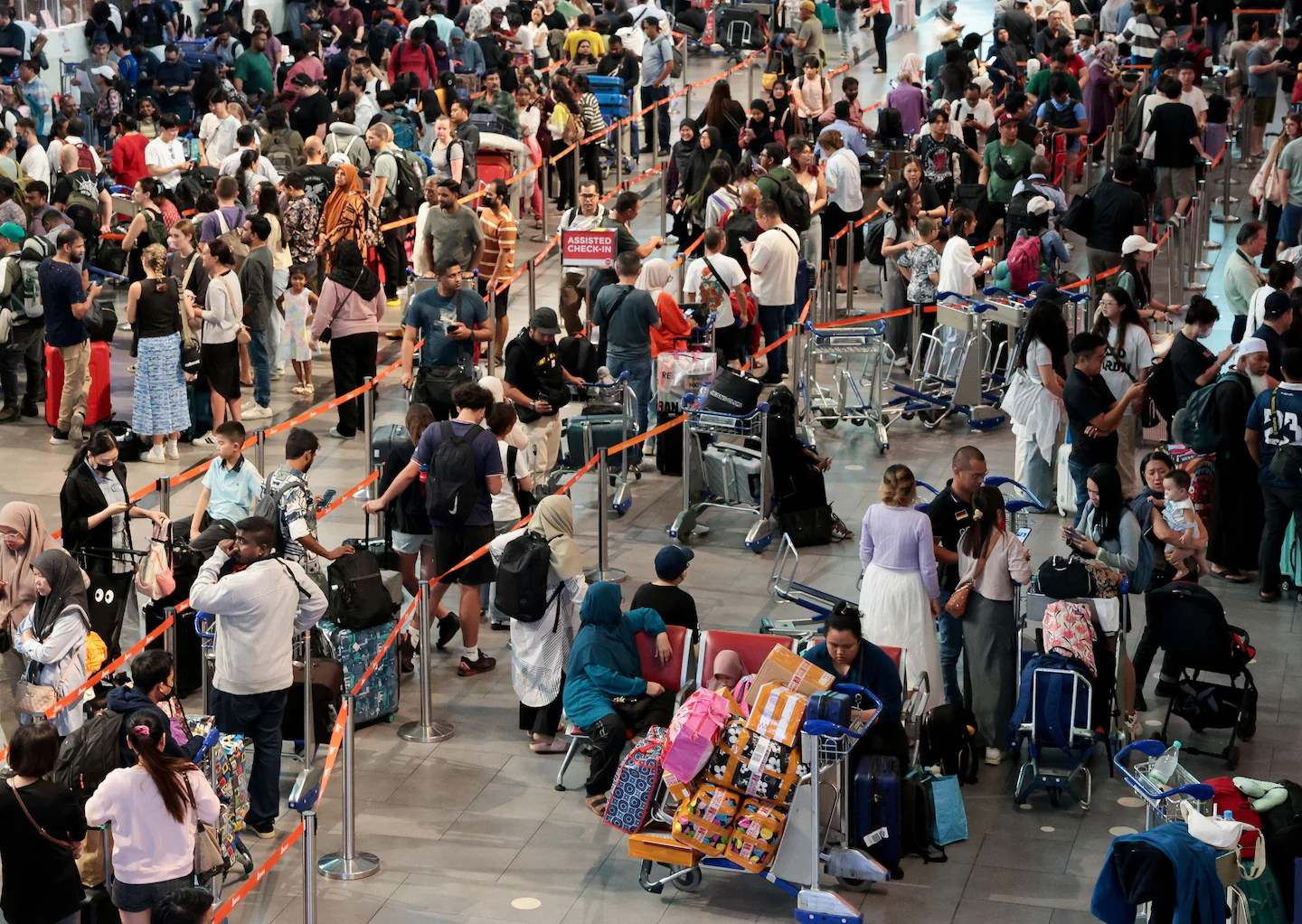
What Happened?
A large-scale IT system failure disrupted core airline operations, including:
- Flight scheduling systems
- Check-in and boarding processes
- Baggage handling
- Crew management software
As a result:
- Thousands of flights were delayed or canceled
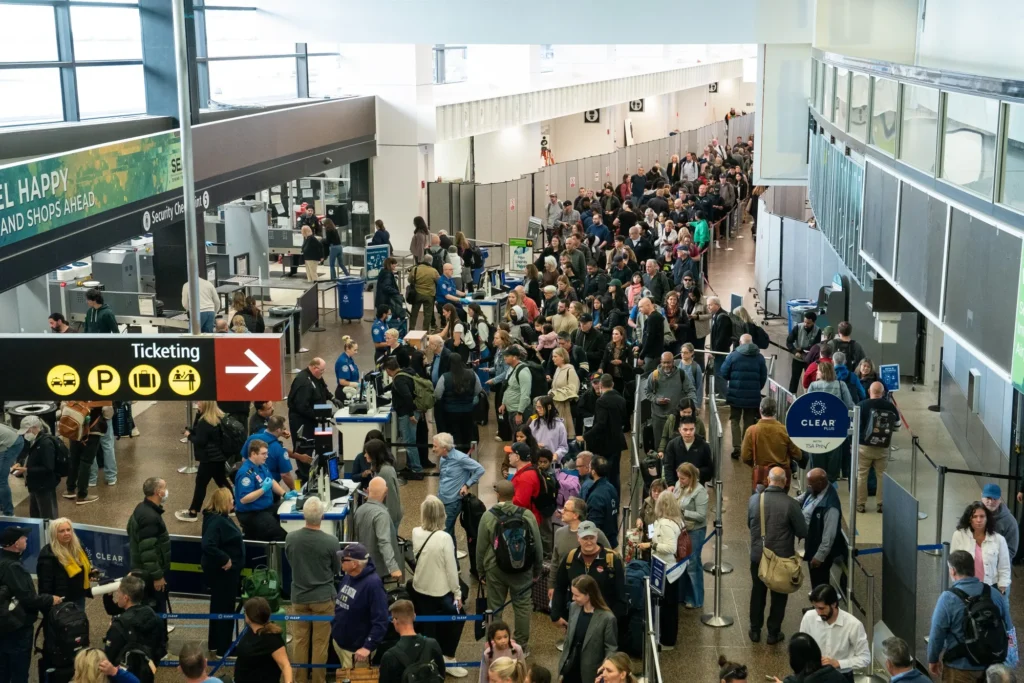
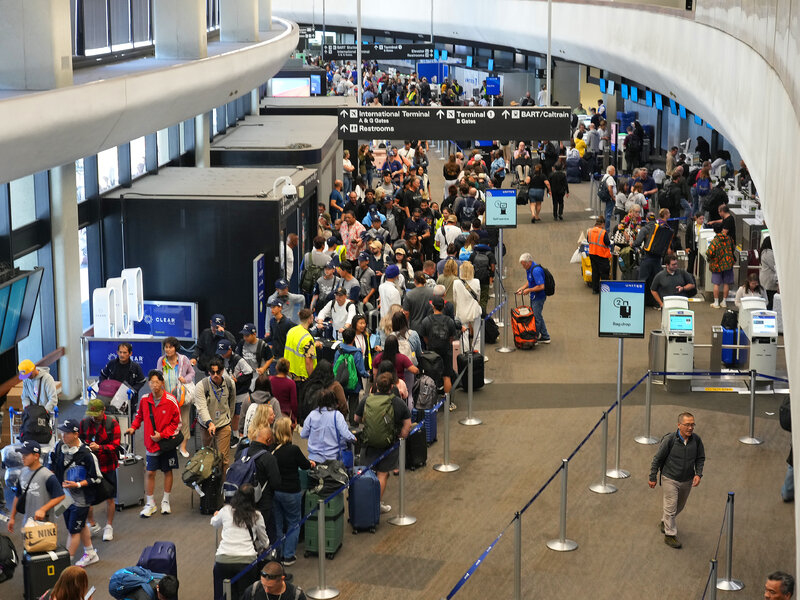
- Airports experienced massive crowding
- Customer support lines were overwhelmed
While airlines initially described the issue as a “technical glitch,” the widespread impact suggested a critical backend system outage, possibly involving cloud services or network infrastructure.
Why Did This Go Viral?
The chaos unfolded in real time on social media:
- Passengers shared photos of overcrowded terminals
- Flight tracking screenshots showed grounded planes
- Travelers posted personal stories of missed weddings, exams, and business meetings
- Hashtags #AirportChaos and #FlightApocalypse started trending worldwide
Social platforms, especially Twitter, acted as both a news source and emotional outlet, amplifying the scale of the crisis.
The Technology Behind the Breakdown
Modern airlines rely heavily on interconnected systems:
- Centralized reservation databases
- Cloud-based operations software
- Real-time APIs connecting airports, airlines, and regulators
When one critical system fails, it creates a domino effect across the entire aviation network. Experts believe this outage exposed:
- Single points of failure
- Lack of real-time failover systems
- Overdependence on legacy software in some regions
This incident may push airlines to rethink resilience-first system architecture.
Airline Responses & Passenger Reactions
Airline Actions
- Issued public apologies on social media
- Offered refunds or rebooking options
- Deployed emergency ground staff
- Gradually restored systems over several hours
Passenger Sentiment
- Frustration over lack of clear communication
- Anger at delayed updates
- Demand for accountability and transparency
Many passengers argued that digital reliability should be as critical as aircraft safety.
Lessons for the Aviation & Tech Industry
This outage serves as a wake-up call:
- Redundancy is no longer optional
- Airlines must invest in modern, scalable IT infrastructure
- Real-time communication with customers is crucial during crises
- System failures can damage brand trust faster than weather disruptions
Final Thoughts
The #AirportChaos / #FlightApocalypse event wasn’t just a travel disruption — it was a technology failure with global consequences. In an era where aviation is powered by software as much as fuel, resilience, transparency, and rapid response are non-negotiable.
As investigations continue, one thing is clear:
The future of air travel depends on how well airlines learn from this digital breakdown.
There’s definately a lot to find out about this subject.
I really like all the points you made.
Thank you! I appreciate your feedback.