Hubble Could Come Crashing Down to Earth as Early as 2028, Scientists Warn
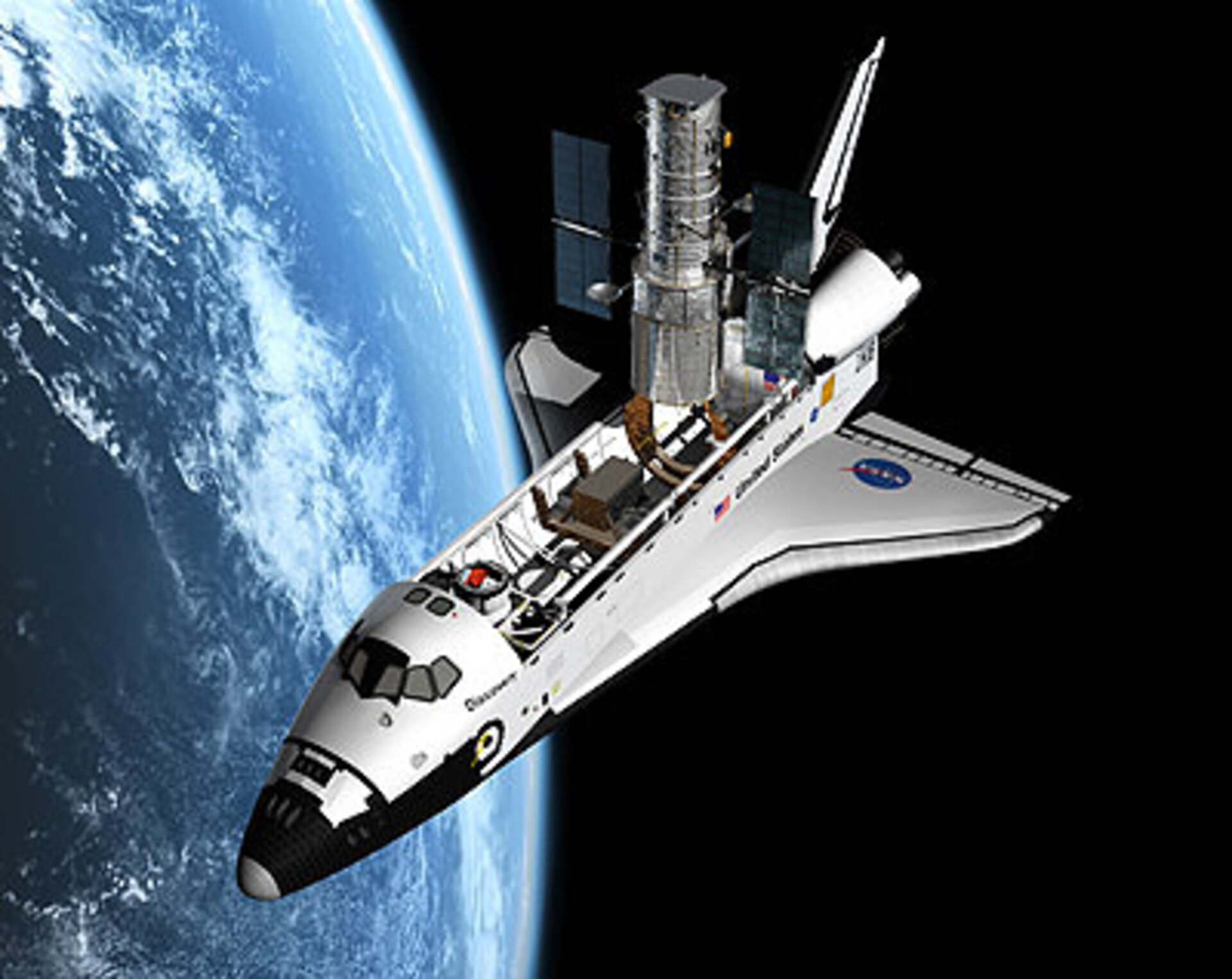
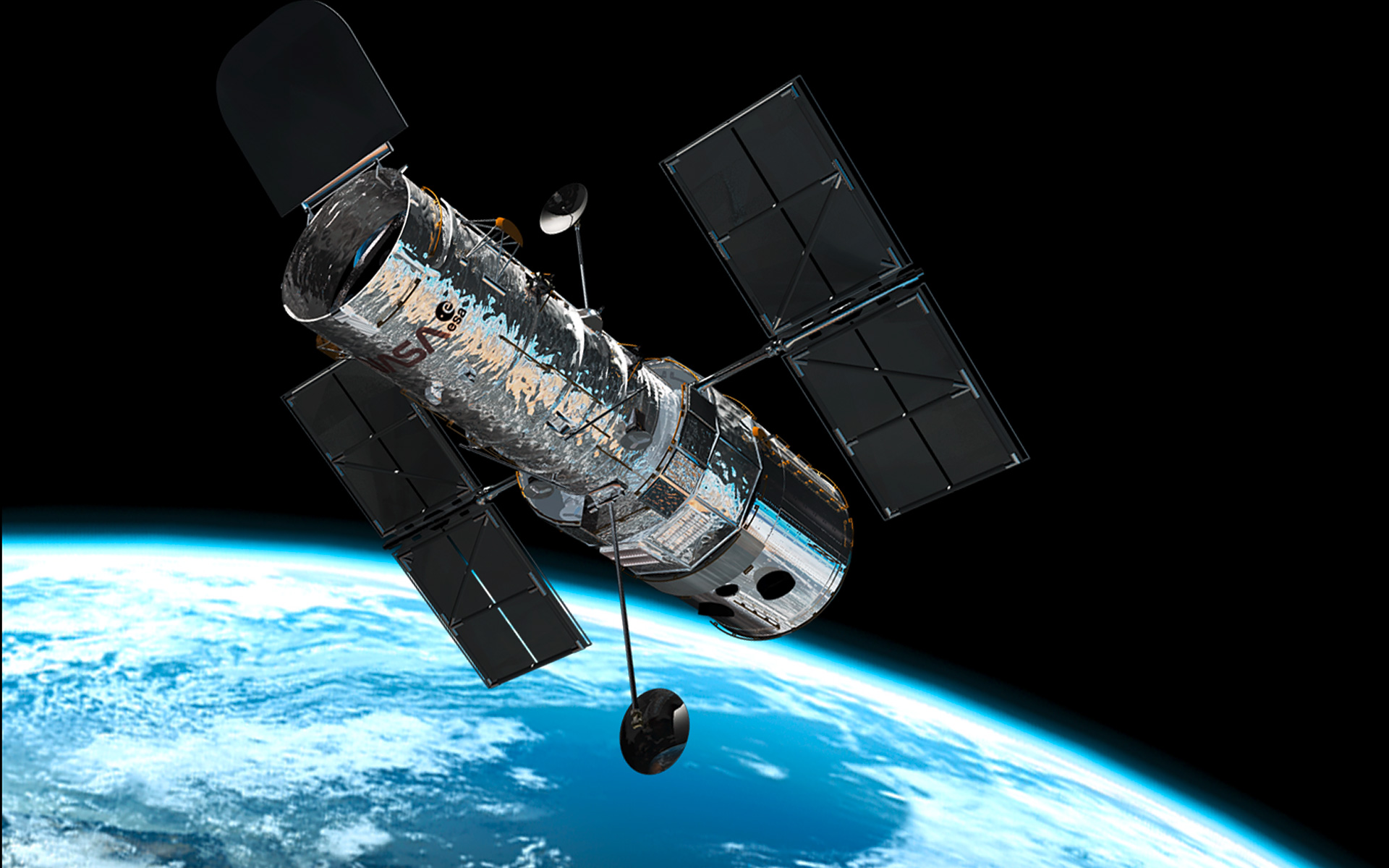
For more than three decades, the Hubble Space Telescope has transformed our understanding of the universe. From capturing breathtaking images of distant galaxies to helping measure the expansion rate of the cosmos, Hubble has been one of the most successful scientific instruments ever launched into space.
However, scientists now warn that the iconic telescope could re-enter Earth’s atmosphere as early as 2028 if corrective measures are not taken. Here’s what that means—and whether there’s cause for concern.
Why Could Hubble Fall Back to Earth?
Launched in 1990 aboard the STS-31, Hubble orbits Earth at an altitude of roughly 500–540 kilometers. Like all satellites in low Earth orbit, it gradually loses altitude over time due to atmospheric drag.
Several factors are contributing to the concern:
- Atmospheric Drag: Even at high altitudes, Earth’s atmosphere exerts a slight drag on orbiting objects.
- Solar Activity: Increased solar activity can expand Earth’s atmosphere, increasing drag and accelerating orbital decay.
- Aging Systems: Hubble is well past its original planned mission life.
Unlike earlier decades, NASA no longer operates the Space Shuttle, which once conducted servicing missions to repair and boost Hubble’s orbit.

Has This Happened Before?
Hubble has faced challenges in the past. Shortly after launch, a flaw in its primary mirror required a dramatic repair mission in 1993. Over the years, astronauts conducted five servicing missions to upgrade instruments and extend its lifespan.
The final servicing mission in 2009 significantly boosted Hubble’s orbit and extended operations. Since then, however, no further crewed servicing has been possible.
Is Earth in Danger?
The possibility of Hubble “crashing” sounds alarming, but space agencies plan such re-entries carefully.
If Hubble’s orbit decays naturally:
- Much of the telescope would burn up during atmospheric re-entry.
- Some debris could survive and fall to Earth.
- The risk to people on the ground is considered extremely low.
NASA is evaluating controlled re-entry options to minimize risks. There have also been discussions about using private spacecraft to raise Hubble’s orbit and extend its mission.
The Legacy of Hubble
Hubble’s contributions to science are immense:
- Helped confirm the accelerating expansion of the universe.
- Captured deep-field images revealing thousands of distant galaxies.
- Provided detailed observations of nebulae, black holes, and exoplanet atmospheres.
In 2021, the James Webb Space Telescope launched, offering more advanced infrared capabilities. However, Webb does not replace Hubble entirely—both telescopes observe the universe in different wavelengths.
What Happens Next?
Scientists continue to monitor Hubble’s orbit closely. Possible scenarios include:
- Orbit Boost Mission: A spacecraft docks and pushes Hubble into a higher orbit.
- Controlled Deorbit: A guided descent to ensure debris falls safely into the ocean.
- Natural Re-entry: If no intervention occurs, atmospheric drag will eventually bring it down.
While 2028 has been mentioned as a potential timeline under certain conditions, exact predictions depend on solar activity and atmospheric behavior.
Conclusion
The possible re-entry of the Hubble Space Telescope marks the nearing end of an extraordinary chapter in space exploration. Though headlines may sound dramatic, experts emphasize that there is no immediate danger.
If Hubble does return to Earth in the coming years, it will do so after reshaping astronomy and inspiring generations worldwide. Its images and discoveries will remain a lasting legacy long after its mission concludes.