
The “Hexagon of Alliances”: Netanyahu’s Bold Vision for a “Global Power” India
In a rapidly shifting global order, strategic partnerships are no longer optional — they are essential. The idea of a “Hexagon of Alliances,” often associated with the diplomatic outreach of Benjamin Netanyahu, envisions a network of powerful democracies and regional leaders working together to shape global stability, innovation, and security. At the center of this emerging framework stands India — increasingly recognized as a future global power.
The Evolution of India–Israel Relations
4
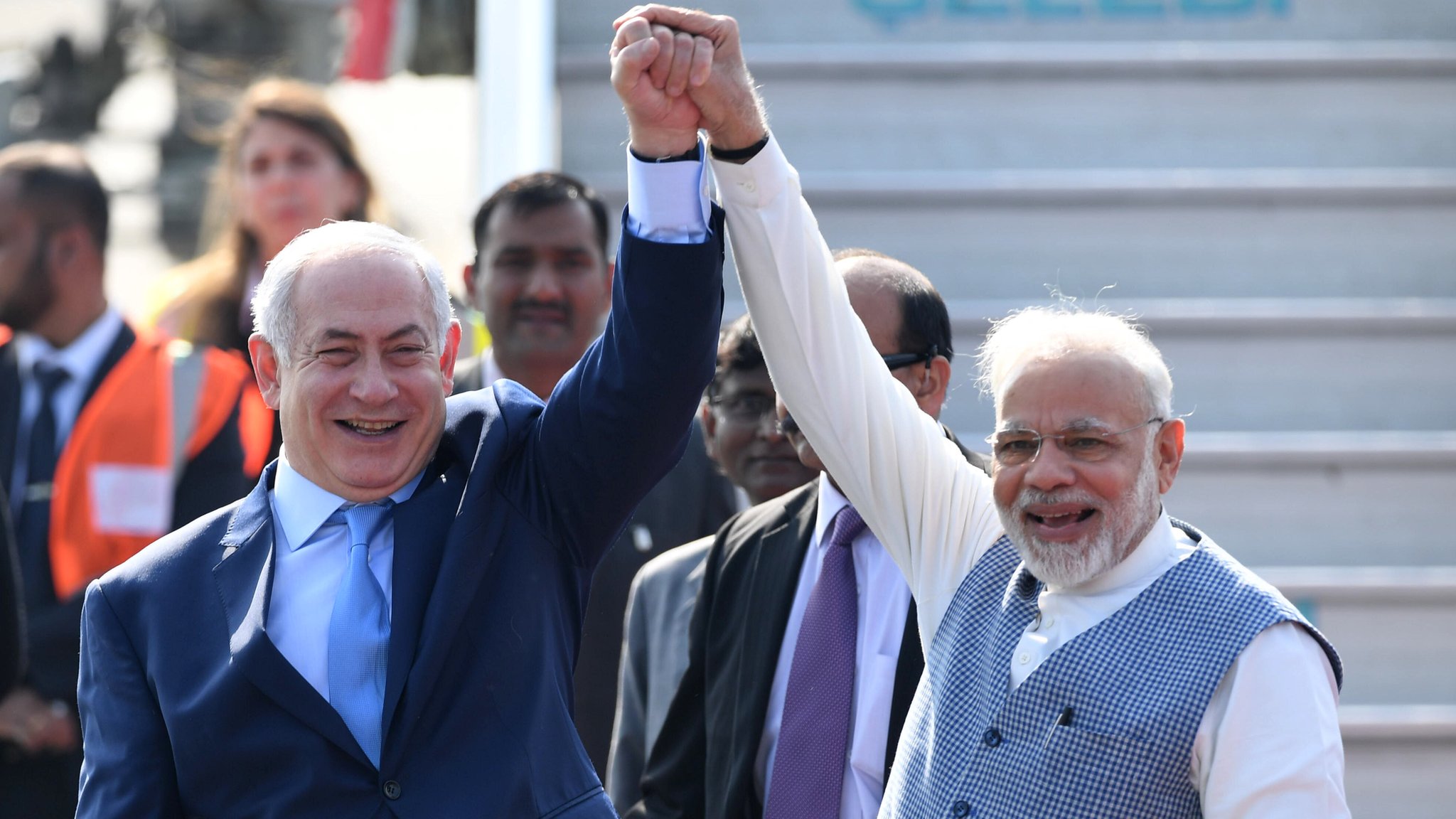
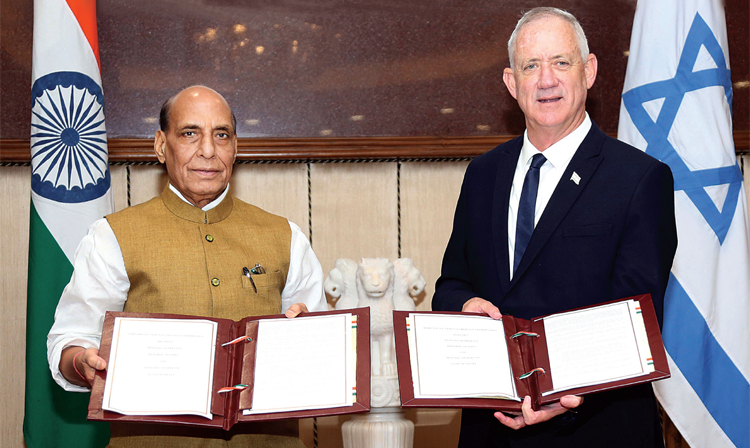
Diplomatic relations between India and Israel were formally established in 1992. Since then, the partnership has grown from cautious engagement to robust strategic cooperation.
A defining moment came in 2017 when Narendra Modi became the first Indian Prime Minister to visit Israel. The visit symbolized a shift in India’s foreign policy — one that embraced pragmatic partnerships driven by national interest, innovation, and security.
Today, the relationship spans defense, agriculture, cybersecurity, water management, artificial intelligence, and space collaboration.
What Is the “Hexagon of Alliances”?
While not a formal treaty bloc, the “Hexagon of Alliances” refers to a strategic network linking major democracies and regional powers across Asia, the Middle East, Europe, and North America. The concept aligns with Israel’s broader diplomatic approach — strengthening bilateral ties with influential nations to create a flexible yet powerful geopolitical framework.
In this vision, India plays a pivotal role due to:
- Its status as the world’s largest democracy
- A fast-growing economy
- Strategic location in the Indo-Pacific
- Expanding defense and technological capabilities
India is increasingly seen not just as a regional actor, but as a balancing force in global politics.
Defense and Strategic Cooperation
Defense cooperation remains a cornerstone of the partnership. Israel is one of India’s top defense suppliers, contributing advanced missile systems, drones, radar technologies, and border security solutions.
Joint projects such as the Barak-8 missile defense system highlight co-development rather than simple arms transactions. This reflects a deeper trust and long-term strategic alignment.
Beyond hardware, intelligence sharing and counter-terrorism cooperation have strengthened security ties between the two nations.
Technology, Innovation, and Economic Growth
Both India and Israel brand themselves as innovation-driven economies. Israel, often called the “Startup Nation,” brings expertise in cutting-edge research and high-tech entrepreneurship. India contributes scale, market size, and digital transformation momentum.
Key areas of collaboration include:
- Water conservation and irrigation technology
- Agri-tech and desert farming
- Cybersecurity partnerships
- Artificial intelligence and fintech
- Space research cooperation
As global supply chains diversify, India’s manufacturing push and Israel’s innovation ecosystem complement each other strategically.
India as a “Global Power”
The idea of India as a global power is no longer speculative. India is a G20 leader, a major voice in climate negotiations, and an increasingly assertive player in Indo-Pacific security frameworks.
From multilateral engagement to strategic autonomy, India’s foreign policy demonstrates a balancing act — maintaining ties with the United States, strengthening relations with Israel, engaging with the Middle East, and sustaining long-standing partnerships with other global players.
In the context of a “Hexagon of Alliances,” India represents:
- Stability in the Indo-Pacific
- Economic growth potential
- Democratic legitimacy
- Strategic independence
For Israel, deepening ties with India means access to one of the world’s most influential emerging powers.
Challenges and Geopolitical Balancing
Despite growing cooperation, both countries navigate complex diplomatic landscapes. India maintains relationships across the Middle East, including strong ties with Arab nations. Israel, meanwhile, balances its security priorities with global partnerships.
The success of any informal alliance framework depends on flexibility, mutual respect, and shared strategic interests.
The Road Ahead
The “Hexagon of Alliances” symbolizes a new era of multipolar diplomacy. Rather than rigid blocs, modern geopolitics favors networks — dynamic, interest-based partnerships among powerful states.
India’s rise aligns with Israel’s strategy of building strategic bridges across continents. If this alignment continues to deepen, it may reshape not only bilateral relations but also broader global power structures.
As the 21st century unfolds, the partnership between India and Israel could become one of the defining strategic relationships of the era — a collaboration grounded in security, innovation, and shared democratic values.