
Elon Musk and Tim Cook Warn of Growing Memory Chip Shortage Amid AI Boom. Who Will Bear the Brunt?
Elon Musk and Tim Cook have both raised concerns about a growing memory chip shortage as artificial intelligence demand surges globally.
As AI models grow larger and more compute-intensive, demand for high-bandwidth memory (HBM) and advanced DRAM chips is skyrocketing. Industry leaders now warn that supply constraints could ripple across sectors from smartphones to data centers.
So who will be most affected if the shortage deepens?
Why AI Is Driving a Memory Crunch
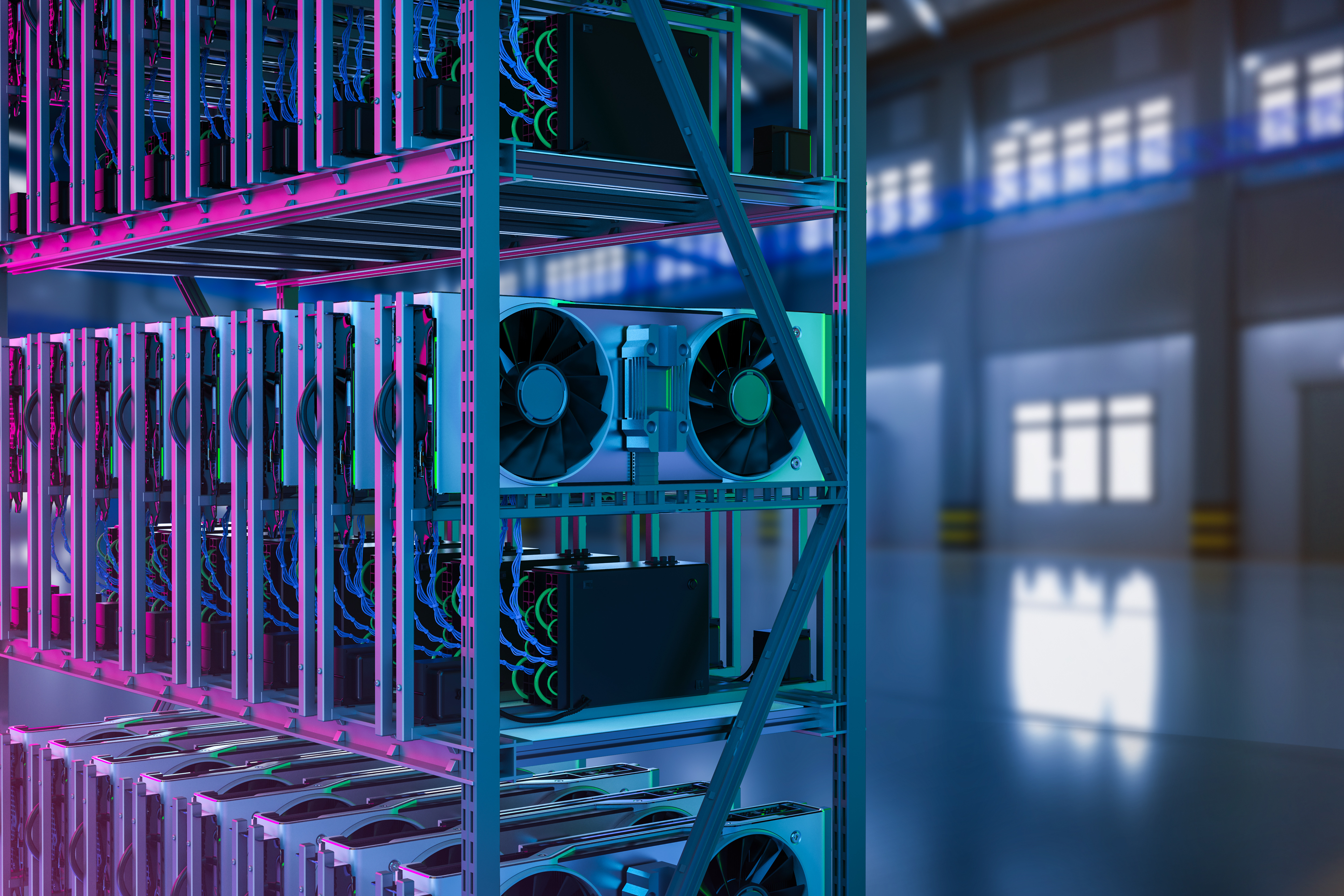
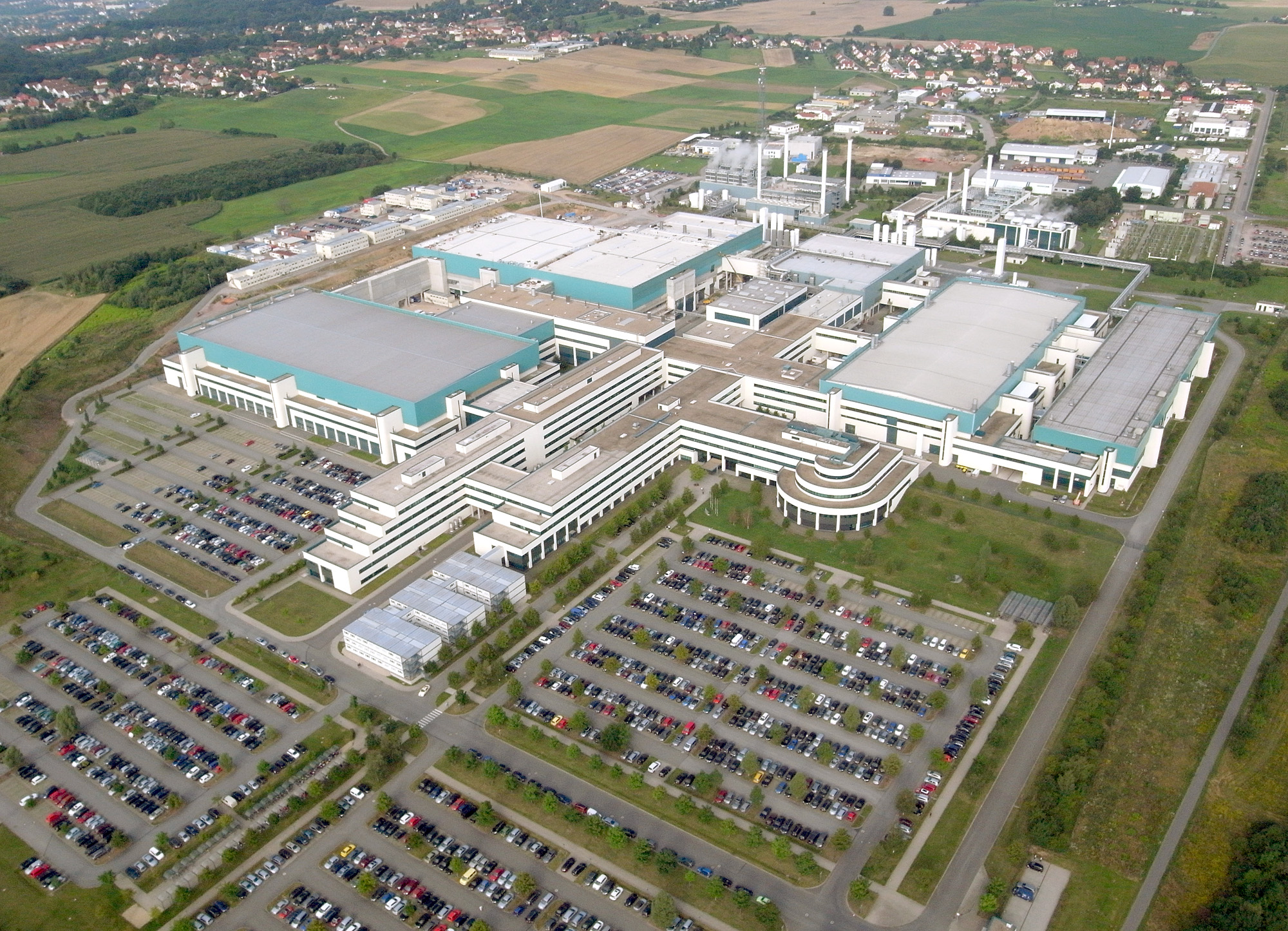
AI systems, particularly large language models and generative AI platforms, require enormous amounts of memory to function efficiently.
Unlike traditional computing workloads, AI training and inference rely heavily on:
- High-bandwidth memory (HBM)
- Advanced DRAM modules
- GPU-integrated memory stacks
- High-speed interconnects
As hyperscalers and automakers ramp up AI integration, memory suppliers are struggling to keep pace.
The Companies Sounding the Alarm
Elon Musk, whose companies are expanding AI infrastructure for autonomous systems and large-scale computing, has flagged chip constraints as a potential bottleneck.
Tim Cook, leading Apple, has also acknowledged supply chain tightness in advanced components, including memory.
Other tech giants such as NVIDIA and Samsung Electronics are deeply intertwined in this ecosystem, with NVIDIA relying on cutting-edge memory for AI accelerators and Samsung being one of the largest memory manufacturers globally.
Who Will Bear the Brunt?
If shortages intensify, several groups could feel the impact.
1. AI Infrastructure Providers
Cloud providers and AI startups may face:
- Higher component costs
- Delayed hardware deployments
- Reduced GPU availability
- Slower AI model rollouts
This could temporarily slow AI innovation cycles.
2. Consumer Electronics Buyers
Smartphones, laptops, and tablets rely heavily on memory chips. A constrained supply could lead to:
- Higher device prices
- Slower upgrade cycles
- Limited availability of premium models
Consumers may indirectly absorb the cost increases.
3. Automakers and EV Companies
Modern vehicles increasingly depend on advanced chips for:
- Autonomous driving
- Infotainment systems
- Advanced driver assistance systems (ADAS)
If memory allocation prioritizes AI data centers, automotive manufacturers could face tighter supply.
4. Smaller Tech Companies
Large tech giants often secure supply through long-term contracts. Smaller firms may struggle to compete for limited inventory, potentially widening the gap between industry leaders and startups.
Why Memory Is Different from Other Chips
Unlike logic chips, memory production requires specialized fabrication processes and massive capital investment.
Scaling HBM production involves:
- Advanced packaging technologies
- Close collaboration with GPU manufacturers
- Limited fabrication capacity
Even if manufacturers invest aggressively, capacity expansion can take years.
The Bigger AI Supply Chain Challenge
The AI boom has already created pressure in:
- GPU supply
- Data center power infrastructure
- Semiconductor manufacturing
- Cooling technologies
Memory is now emerging as the next bottleneck.
The race to dominate AI is no longer just about algorithms — it is about securing hardware supply chains.
Could Prices Surge?
If supply remains constrained while AI demand continues climbing:
- HBM prices could rise
- Data center build costs may increase
- AI service pricing could adjust upward
- Consumer electronics margins may tighten
However, increased investment in semiconductor fabs could gradually stabilize the market over time.
Final Thoughts
Warnings from Elon Musk and Tim Cook highlight a critical reality of the AI era: hardware supply matters as much as software innovation.
As AI adoption accelerates, memory chips have become strategic assets. Whether the brunt is borne by consumers, startups, or large tech companies will depend on how quickly manufacturers can scale production.
One thing is clear — in the AI boom, memory is the new oil.