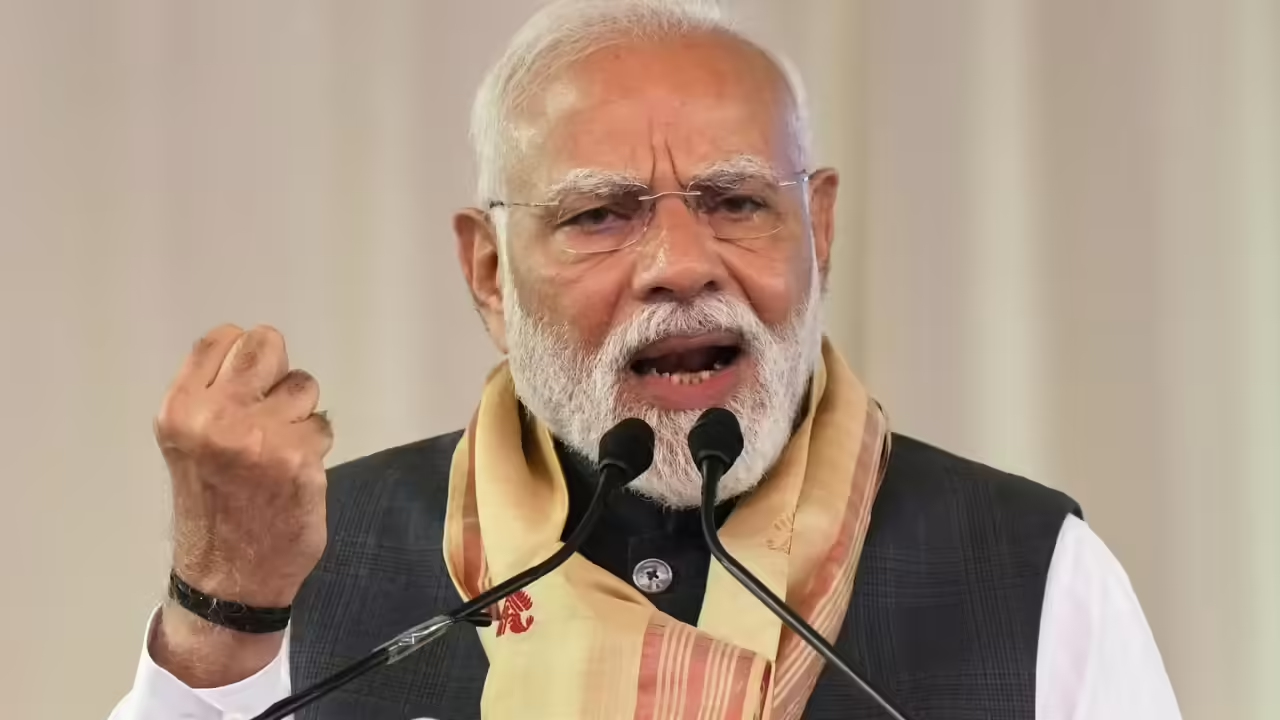
What Will Be India’s 3 Reform Priorities for the Next Decade? Here’s What PM Modi Said
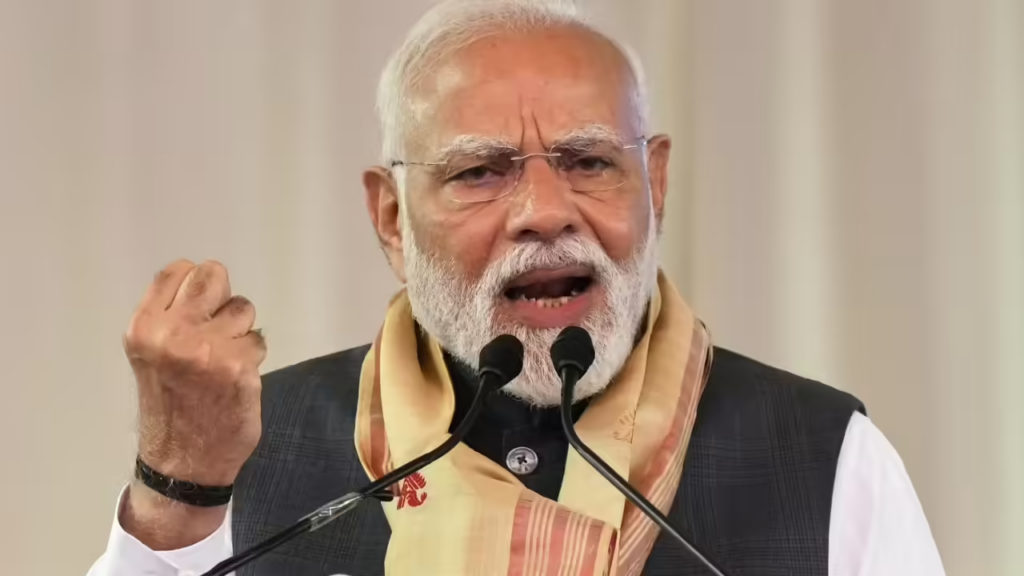
Narendra Modi has outlined three major reform priorities that will shape India’s economic and governance roadmap over the next decade. Speaking about long-term national transformation, the Prime Minister emphasized structural reforms aimed at accelerating growth, improving ease of living, and strengthening India’s global position.
Here’s a breakdown of the three reform pillars and what they mean for India’s future.
1. Economic and Structural Reforms
PM Modi highlighted the importance of deep structural reforms to sustain India’s high-growth trajectory.
Key focus areas include:
- Boosting manufacturing and domestic production
- Expanding infrastructure development
- Strengthening supply chains
- Encouraging private sector investment
- Enhancing ease of doing business
The goal is to transform India into a global manufacturing and investment hub while maintaining macroeconomic stability.
2. Governance and Digital Transformation
A second major reform pillar revolves around governance efficiency and digital expansion.
India’s push for digital public infrastructure has already reshaped service delivery. Over the next decade, reforms are expected to focus on:
- Expanding digital access in rural areas
- Leveraging AI and emerging technologies in governance
- Improving transparency and accountability
- Streamlining public service delivery
The broader objective is to make governance faster, more inclusive, and more citizen-centric.
3. Human Capital and Social Development
The third priority centers on long-term human capital development.
PM Modi emphasized:
- Education reforms
- Skill development
- Youth empowerment
- Healthcare access
- Women-led development
India’s demographic advantage remains one of its biggest strengths. Sustained investment in education, skilling, and health infrastructure is expected to drive long-term productivity gains.
Why These Three Pillars Matter
Together, these reform priorities aim to:
- Sustain high GDP growth
- Strengthen India’s global competitiveness
- Improve quality of life
- Expand employment opportunities
- Enhance technological leadership
As India aspires to become a developed nation in the coming decades, structural reform momentum will be critical.
The Bigger Picture: India’s Next Growth Phase
Over the past decade, reforms in taxation, digital payments, and infrastructure laid the foundation for rapid expansion.
The next decade’s priorities suggest:
- Deeper economic modernization
- Increased tech-driven governance
- Stronger global integration
- Focused social sector investments
The success of these reforms will depend on implementation speed, policy stability, and collaboration between government and industry.
Final Thoughts
Prime Minister Narendra Modi’s outline of three reform priorities provides a roadmap for India’s next phase of growth.
Economic expansion, digital governance, and human capital development form the core pillars of the strategy.
If executed effectively, these reforms could shape India’s trajectory for decades to come — positioning it as one of the world’s leading economies.