
OpenAI’s Biggest Challenge Is Turning Its AI Into a Cash Machine
OpenAI has become one of the most influential companies in the artificial intelligence revolution. From ChatGPT’s explosive growth to enterprise AI integrations across industries, the company sits at the center of the generative AI boom.
But despite its technological dominance, OpenAI faces a fundamental business question:
How do you turn cutting-edge AI into a sustainable, scalable cash machine?
Here’s why monetization — not innovation — may be OpenAI’s toughest challenge yet.
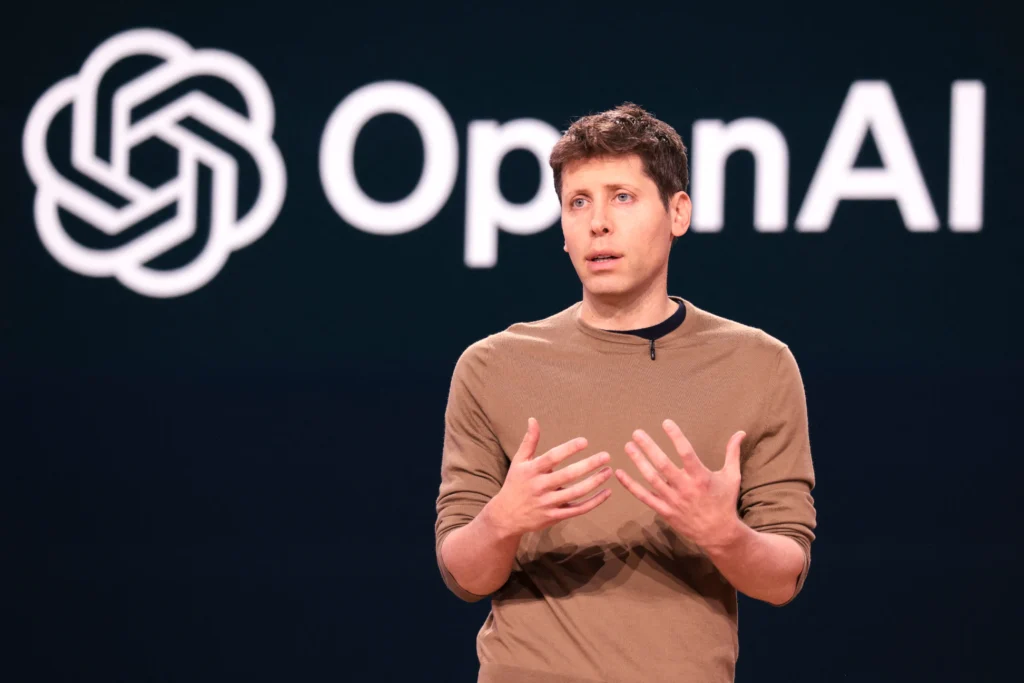
Innovation Isn’t the Problem
OpenAI has repeatedly proven it can build industry-leading AI systems. Its models power:
- Chatbots and productivity tools
- Code generation assistants
- Enterprise automation solutions
- Creative content platforms
Adoption has been massive. Millions of users interact with AI daily, and enterprises are integrating generative AI into workflows at record speed.
The issue isn’t demand — it’s economics.
AI Is Extremely Expensive to Run
Unlike traditional software, AI models are computationally heavy and costly to operate.
Key cost drivers include:
- Massive GPU infrastructure
- Data center expansion
- Continuous model training
- Energy consumption
- Ongoing research and development
Each query to an advanced AI model costs money. When millions — or billions — of prompts are processed daily, operational expenses skyrocket.
This makes scaling profit margins far more complex than in conventional SaaS businesses.
The Monetization Challenge
OpenAI primarily generates revenue through:
- Subscription plans (like premium chatbot access)
- API usage by developers and enterprises
- Enterprise AI integrations
While these revenue streams are growing, they must offset enormous infrastructure costs and long-term research investments.
Balancing:
- Affordable pricing
- Competitive positioning
- High compute costs
- Investor expectations
is a delicate equation.
Enterprise vs Consumer Revenue
Consumer subscriptions bring scale but often lower margins. Enterprise contracts, on the other hand, offer higher revenue per client but require:
- Custom integrations
- Security guarantees
- Regulatory compliance
- Dedicated support
The long-term cash engine may lie in enterprise AI services — but competition is intense.
Competitive Pressure Is Increasing
OpenAI does not operate in a vacuum.
Major competitors include:
- Google’s AI ecosystem
- Microsoft’s integrated AI offerings
- Amazon’s cloud-based AI infrastructure
- Emerging open-source AI models
These players are bundling AI into existing services, sometimes at lower incremental costs, making direct monetization harder.
OpenAI must differentiate not just in performance — but in business value.
Regulatory and Legal Uncertainty
Monetization is further complicated by:
- Copyright disputes
- Data privacy regulations
- Government oversight
- Ethical AI compliance requirements
Legal uncertainty could increase costs or limit certain revenue models.
The Long-Term Strategy: Platform Economics
To become a true “cash machine,” OpenAI may need to evolve beyond being just a model provider.
Possible long-term strategies include:
- Building a full AI platform ecosystem
- Offering AI infrastructure tools
- Expanding enterprise automation solutions
- Developing proprietary AI-powered products
- Partnering deeply with corporate workflows
The goal would be to move from per-query pricing toward high-value AI integration embedded in business processes.
Why This Matters for the AI Industry
OpenAI’s profitability challenge is not unique — it reflects a broader reality in AI.
The generative AI era has proven that:
- Building powerful AI is possible.
- Scaling it sustainably is far harder.
The companies that win won’t just have the smartest models — they’ll have the strongest business models.
Final Thoughts
OpenAI has already reshaped how the world interacts with artificial intelligence. But technological leadership alone doesn’t guarantee financial dominance.
Turning AI into a durable, high-margin business requires:
- Smarter pricing strategies
- Operational efficiency
- Enterprise adoption at scale
- Strategic ecosystem expansion
The real race in AI isn’t just about who builds the best model — it’s about who builds the most sustainable AI economy.
And for OpenAI, that challenge is just beginning.