
Microsoft Exec Judson Althoff Tells Sales Teams How to Sell Microsoft AI Over OpenAI Tools
Microsoft’s chief commercial officer, Judson Althoff, has shared guidance with company sales teams on how to position Microsoft’s AI products against tools offered directly by OpenAI. The advice highlights how Microsoft wants customers to choose its own platforms, even as it remains a major partner and investor in OpenAI.
The move reflects growing competition in the enterprise AI market, where companies are deciding which tools will power their long-term digital strategies.
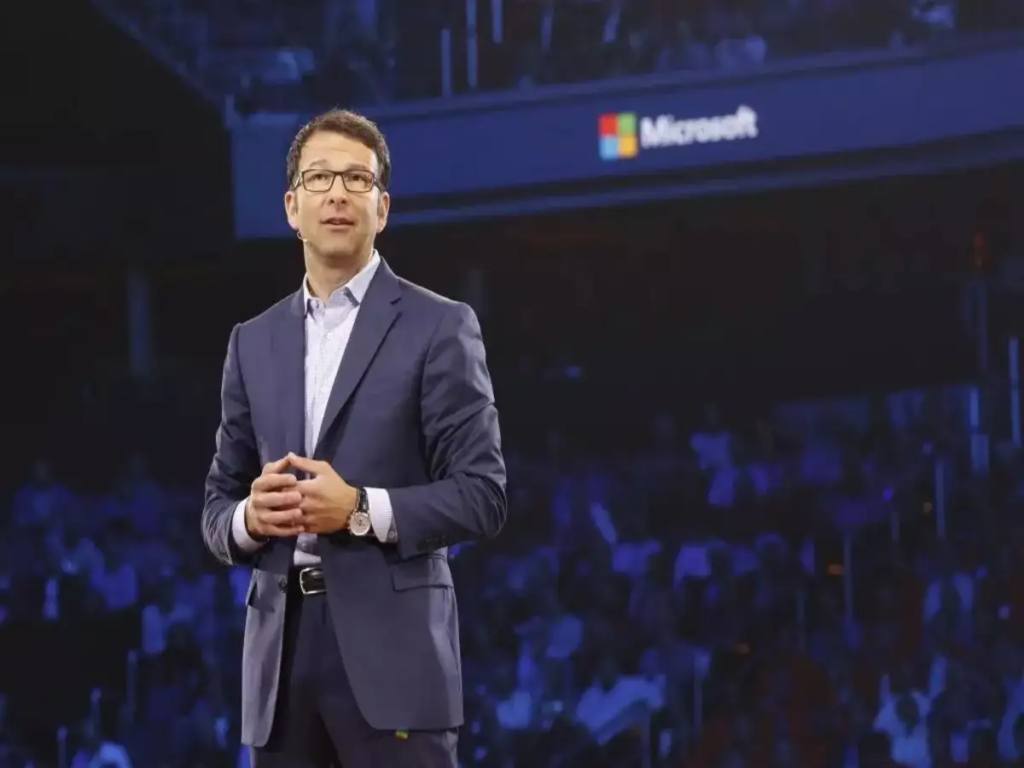
What Althoff Told Microsoft Sales Teams
According to reports, Althoff encouraged salespeople to emphasize Microsoft’s integrated AI ecosystem rather than standalone AI tools. The message was clear: customers should see Microsoft as the safer, more complete option.
Sales teams were advised to focus on:
- Enterprise-grade security and compliance
- Deep integration with Microsoft products
- Long-term stability and support
This approach positions Microsoft AI as a full business platform rather than just an AI chatbot or model.
Why Microsoft Wants Customers to Choose Its Tools
Microsoft has heavily invested in AI across its product lineup, including:
- Microsoft Copilot
- Azure AI services
- AI features in Microsoft 365 and Dynamics
By bundling AI into tools companies already use, Microsoft reduces friction for customers and increases adoption. This also keeps businesses inside the Microsoft ecosystem instead of relying on third-party AI providers.
How OpenAI Fits Into the Picture
Microsoft remains one of OpenAI’s biggest partners and investors. However, OpenAI also sells products directly to businesses and consumers.
This creates a unique situation where:
- Microsoft benefits from OpenAI’s technology
- Microsoft still competes with OpenAI at the product level
Althoff’s guidance suggests Microsoft wants to control the customer relationship, even if OpenAI technology runs behind the scenes.
Key Selling Points Microsoft Is Emphasizing
Sales teams are reportedly encouraged to highlight:
- Data privacy and compliance controls
- AI models running within Azure infrastructure
- Integration with Outlook, Teams, Excel, and Word
- Centralized billing and enterprise support
For many organizations, these factors matter more than access to the latest standalone AI features.
What This Means for Enterprise Customers
For businesses, the message is clear: choosing AI is no longer just about performance. It is about:
- Security and governance
- Compatibility with existing systems
- Vendor reliability
Microsoft is betting that enterprises will prefer a single trusted provider over mixing tools from multiple vendors.
A Sign of Intensifying AI Competition
Althoff’s remarks reflect a broader shift in the AI market. As AI becomes central to business operations, large tech companies are competing aggressively to own enterprise relationships.
Even close partnerships, like Microsoft and OpenAI, are evolving as each company seeks to protect its position.
Final Thoughts
Microsoft’s push to favor its own AI tools over OpenAI’s shows how strategic AI has become for enterprise software. While OpenAI remains a key technology partner, Microsoft is clearly focused on keeping customers within its ecosystem.
For enterprises, the decision may come down to trust, integration, and long-term support rather than which AI model is the most advanced.