
Nvidia CEO Jensen Huang in Shanghai Amid China Regulatory Headwinds
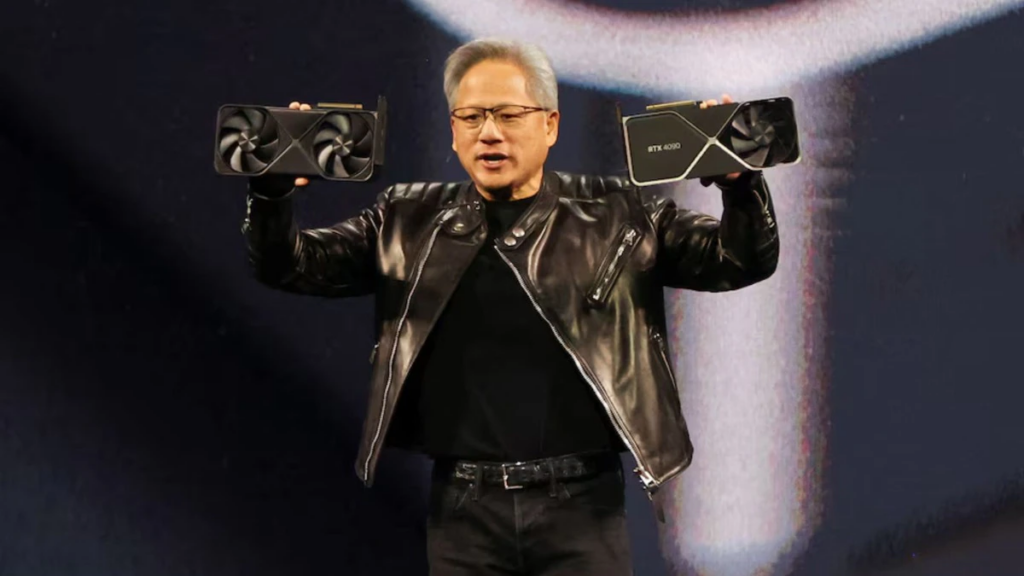
Nvidia CEO Jensen Huang’s visit to Shanghai comes at a critical moment for the company as it faces growing regulatory challenges in China. The visit underscores Nvidia’s continued commitment to the Chinese market despite rising uncertainty surrounding AI chip sales, regulatory scrutiny, and intensifying competition from local semiconductor players.
China has long been one of Nvidia’s most important markets, particularly for artificial intelligence and data center technologies. However, recent policy developments have complicated the company’s operations in the region.
Strategic Importance of the Shanghai Visit
Jensen Huang’s presence in Shanghai highlights Nvidia’s efforts to maintain strong relationships with employees, partners, and customers in China. The visit signals confidence in Nvidia’s long-term engagement with the market, even as regulatory and geopolitical pressures increase.
Shanghai remains a key hub for Nvidia’s China operations, supporting research, development, and regional partnerships. Huang’s visit also reflects Nvidia’s broader strategy of maintaining open communication with local stakeholders during periods of uncertainty.
Regulatory Headwinds Facing Nvidia in China
Nvidia is navigating a complex regulatory environment shaped by both domestic Chinese policies and international trade restrictions. Increased oversight of advanced semiconductor technologies has created uncertainty around the approval and deployment of high-performance AI chips in China.
These regulatory headwinds have affected Nvidia’s ability to supply some of its most advanced products, forcing the company to adapt its offerings and explore alternative strategies to remain compliant while serving customer demand.
Challenges Around AI Chip Sales
AI chips remain at the center of Nvidia’s business in China. While demand for AI computing continues to grow rapidly, regulatory approvals and compliance requirements have slowed the pace of market expansion.
The uncertainty surrounding chip approvals has added pressure on Nvidia’s China revenue, making the market less predictable than in previous years. This has also encouraged customers to explore domestic alternatives as supply conditions fluctuate.
Rising Competition from Chinese Chipmakers
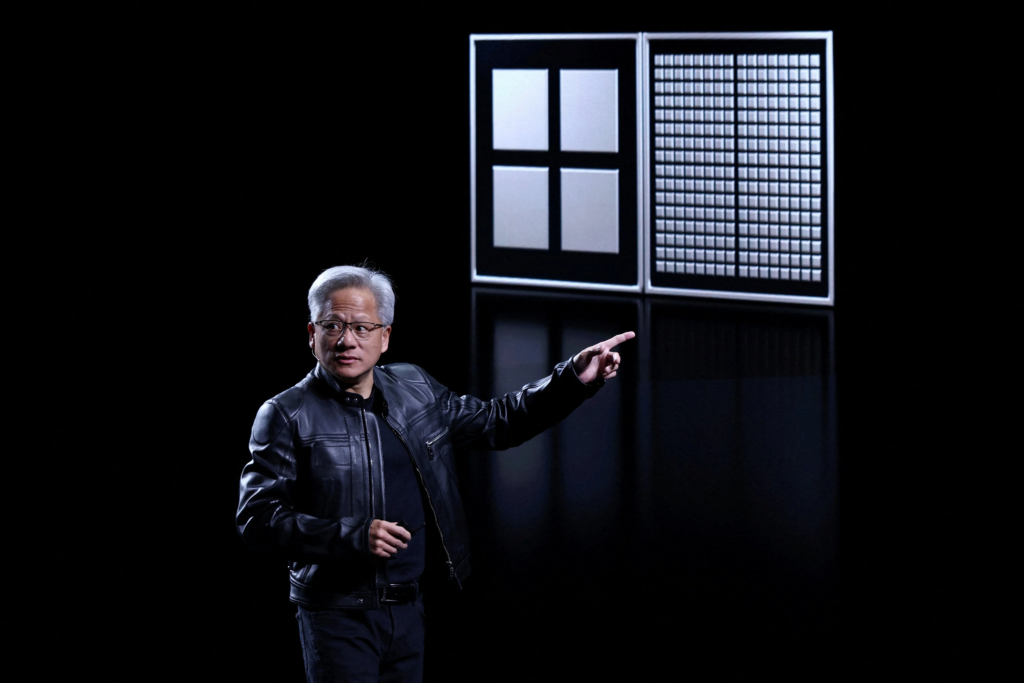
At the same time, Nvidia faces increasing competition from Chinese semiconductor companies that are accelerating the development of homegrown AI processors. Supported by strong domestic demand and government backing, these firms are steadily closing the performance gap in key AI workloads.
This shift poses a long-term challenge for Nvidia, as customers may gradually reduce reliance on foreign suppliers in favor of locally developed solutions.
Broader Geopolitical Context
Nvidia’s regulatory challenges in China are part of a broader global technology landscape shaped by geopolitical tensions and efforts to secure semiconductor supply chains. Technology policy has become a strategic priority, influencing how companies operate across borders.
For Nvidia, balancing compliance with international regulations while sustaining its presence in China requires careful strategic planning and constant adaptation.
What This Means for Nvidia’s Future
Jensen Huang’s Shanghai visit highlights both the opportunities and challenges Nvidia faces in China. While regulatory headwinds and competition present real obstacles, China remains a crucial market for AI innovation and growth.
Nvidia’s ability to navigate regulatory complexity, respond to competitive pressure, and adapt its product strategy will play a key role in shaping its future position in the global AI and semiconductor industry.
Conclusion
Nvidia CEO Jensen Huang’s visit to Shanghai amid regulatory headwinds reflects the company’s determination to remain engaged in the Chinese market despite mounting challenges. As regulations tighten and competition intensifies, Nvidia’s China strategy will be closely watched as a bellwether for the broader global semiconductor industry.