
Google Brings Personal Intelligence to AI Mode in Search: What It Is and How It Works
Google has taken a major step forward in redefining how people interact with online information by introducing personal intelligence into its AI-powered Search mode. This evolution marks a shift from traditional keyword-based search results to a more context-aware, personalized, and conversational experience.
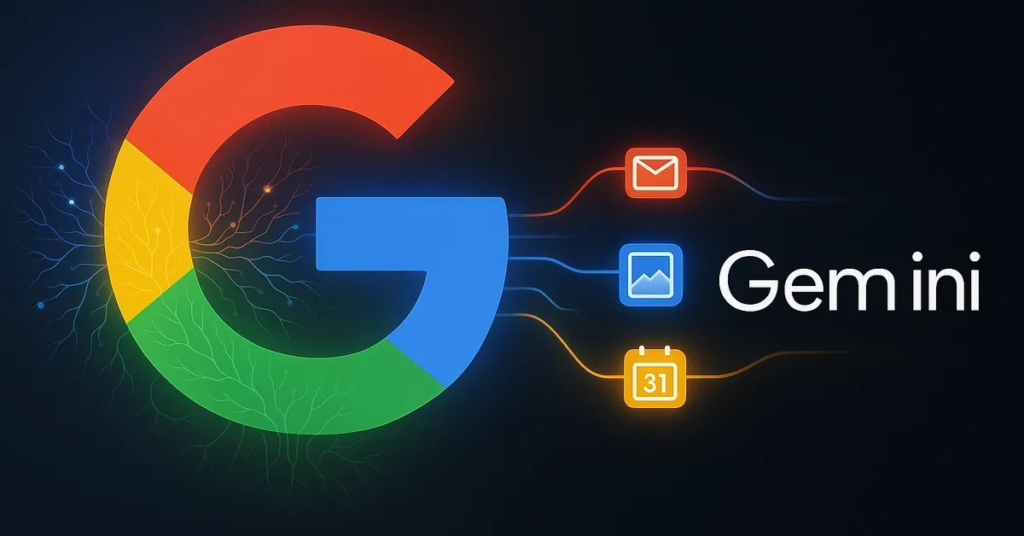
What Is Google’s AI Mode in Search?
Google’s AI Mode in Search is an advanced search experience powered by artificial intelligence that goes beyond displaying a list of links. Instead, it understands user intent, context, and preferences to deliver more relevant, summarized, and actionable responses.
With the addition of personal intelligence, AI Mode can now tailor results based on individual behavior, interests, and past interactions, making search feel more like a smart assistant than a search engine.
What Does “Personal Intelligence” Mean?
Personal intelligence refers to Google’s ability to adapt search responses to each user. Rather than providing the same answer to everyone, the AI considers factors such as:
- Search history and patterns
- Preferred content formats
- Frequently searched topics
- Location and time-based relevance
- Ongoing queries within a conversation
This allows the AI to deliver answers that align more closely with what the user actually needs, not just what they typed.
How It Works Behind the Scenes
Google’s AI Mode uses advanced large language models combined with real-time data processing. When a user enters a query, the system performs multiple steps simultaneously:
- Understanding Intent
The AI analyzes the meaning behind the query, including context from previous searches or related questions. - Personal Context Integration
The system evaluates relevant personal signals to refine the response without compromising user privacy. - Information Synthesis
Instead of pulling one source, the AI synthesizes insights from multiple trusted data points to generate a clear and concise response. - Adaptive Learning
Over time, the AI improves its accuracy by learning from user interactions, making future responses more relevant.
Key Benefits for Users
- Faster access to precise information
- Reduced need to open multiple search results
- More conversational and natural interactions
- Improved relevance for complex or follow-up questions
This is particularly useful for research, learning, planning, and decision-making tasks.
Impact on Content Creators and Businesses
With AI-driven personalized search, content quality becomes more important than ever. Generic, low-value content is less likely to surface, while authoritative, helpful, and user-focused content gains more visibility.
Businesses and publishers will need to focus on clarity, expertise, and real-world usefulness to remain competitive in AI-powered search results.
Privacy and Control
Google emphasizes that personal intelligence operates within strict privacy boundaries. Users maintain control over their data and can manage personalization settings, ensuring transparency and trust in how AI-driven personalization works.
The Future of Search
Google’s move toward personal intelligence signals a future where search is no longer about finding information, but about understanding users. As AI Mode continues to evolve, search will become more intuitive, predictive, and deeply integrated into everyday digital experiences.
This transformation positions Google Search as a personalized knowledge companion rather than a simple information directory.