
Data Analytics Transforming Healthcare Operations
How IT-Driven Insights Are Revolutionizing Clinical Decisions and Efficiency
Introduction
The healthcare industry is undergoing a powerful digital transformation, and data analytics is at the heart of this change. From large hospitals to specialized sectors like dental care, IT-driven analytics platforms are helping healthcare providers make smarter clinical decisions, streamline operations, and improve patient outcomes.
As healthcare systems face rising costs, growing patient expectations, and increased regulatory pressure, data analytics is no longer optional—it is essential.
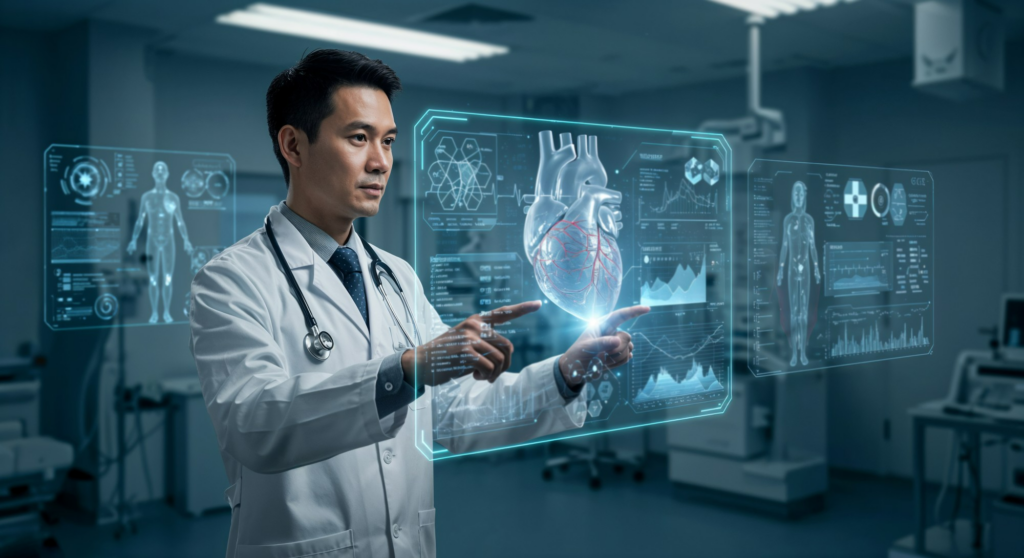
The Role of Data Analytics in Modern Healthcare
Healthcare organizations generate massive amounts of data every day patient records, diagnostic reports, treatment histories, appointment schedules, and billing information. Data analytics converts this raw data into actionable insights that help providers:
- Identify trends in patient health
- Reduce operational inefficiencies
- Improve treatment accuracy
- Enhance overall patient experience
By leveraging analytics platforms, healthcare professionals can move from reactive care to predictive and preventive healthcare.
Improving Clinical Decision-Making
One of the biggest impacts of data analytics is on clinical decision-making. Advanced analytics tools can analyze historical patient data and real-time inputs to support doctors in making evidence-based decisions.
Key benefits include:
- Early detection of diseases
- Personalized treatment plans
- Reduced diagnostic errors
- Better monitoring of patient progress
In dental care, for example, analytics helps track oral health trends, predict treatment needs, and improve diagnosis accuracy using historical patient data.
Boosting Operational Efficiency
Beyond clinical improvements, data analytics plays a critical role in healthcare operations. Hospitals and clinics can optimize workflows and reduce unnecessary costs.
Operational advantages include:
- Efficient appointment scheduling
- Optimized staff allocation
- Reduced patient wait times
- Improved inventory and equipment management
Dental clinics use analytics to manage chair utilization, appointment no-shows, and supply usage leading to smoother daily operations and higher profitability.
Data Analytics in Specialized Healthcare Sectors
Specialized sectors such as dental care, diagnostics, and specialty clinics are increasingly adopting analytics platforms to stay competitive.
In dental practices, data analytics helps:
- Track patient visit patterns
- Improve treatment planning
- Increase patient retention
- Identify revenue opportunities
This shift highlights a broader trend of industry digitization, where even smaller healthcare providers are embracing advanced IT solutions to deliver high-quality care.
Security, Compliance, and Data Integrity
With increased data usage comes the need for strong security and compliance. Modern analytics platforms are designed with healthcare regulations in mind, ensuring:
- Secure data storage
- Controlled access to sensitive records
- Compliance with healthcare standards
- Data accuracy and reliability
This builds trust between patients and healthcare providers while maintaining ethical data practices.
The Future of Healthcare Analytics
The future of healthcare analytics lies in AI-powered insights, predictive modeling, and real-time decision support systems. As technologies evolve, healthcare organizations will gain deeper insights into patient behavior and operational performance.
Emerging trends include:
- AI-driven diagnostics
- Predictive patient care models
- Integrated digital health ecosystems
- Data-driven preventive healthcare
Conclusion
Data analytics is transforming healthcare operations by enhancing clinical decision-making and improving efficiency across specialized sectors like dental care. As digitization continues to expand, healthcare providers that adopt IT-driven analytics platforms will be better equipped to deliver smarter, faster, and more patient-centric care.
For healthcare organizations, embracing data analytics is not just about technology it’s about building a sustainable, efficient, and future-ready healthcare system.