
How Multi-Agent AI Is Redefining Enterprise Workflows in 2026
The AI revolution is entering a new phase one where intelligence is no longer just assistive, but autonomous and deeply embedded into enterprise operations. According to the Onix 2026 AI Trends Report, organizations are moving beyond basic AI copilots toward multi-agent systems that actively execute workflows, coordinate decisions, and transform how businesses function at scale.
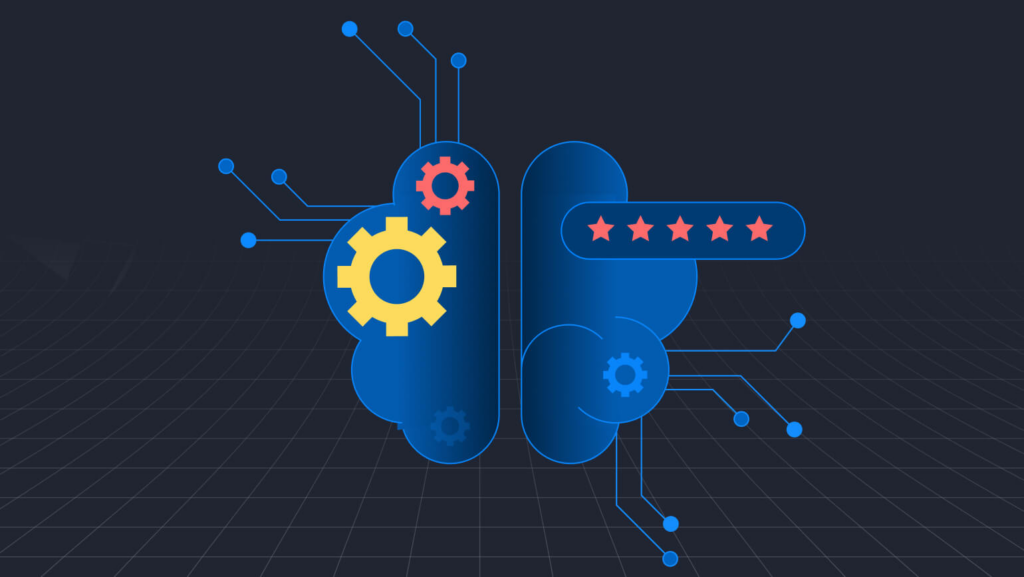
From Copilots to Autonomous Agents
In the early stages of enterprise AI adoption, tools primarily acted as assistants—supporting users with insights, recommendations, and automation of isolated tasks. By 2026, this approach is evolving rapidly.
AI agents are now capable of independently executing multi-step business processes, interacting across systems, and responding to changing business contexts with minimal human intervention. This shift represents a move from task assistance to goal-driven execution, enabling faster and more consistent operational outcomes.
Understanding Multi-Agent Systems
Multi-agent systems consist of multiple AI agents working together toward shared objectives. Each agent is designed to handle a specific role, such as data analysis, customer interaction, process optimization, or compliance monitoring.
These agents communicate with one another, share contextual intelligence, and dynamically allocate tasks—similar to how cross-functional teams collaborate within an organization. This distributed intelligence model allows enterprises to manage complex workflows more efficiently than relying on a single AI system.
Intelligent Orchestration Over Traditional Automation
Traditional automation is typically rule-based and linear, effective only for predictable, repetitive tasks. However, modern enterprises operate in dynamic environments where priorities shift quickly and systems must adapt in real time.
Multi-agent AI systems introduce intelligent orchestration—where workflows continuously adjust based on context, performance metrics, and business goals. This enables seamless coordination across departments such as finance, HR, supply chain, customer service, and sales, improving agility and responsiveness.
Human and AI Collaboration at Scale
Rather than replacing human roles, multi-agent AI reshapes them. Routine and time-consuming execution tasks are handled by AI agents, while human professionals focus on strategic decision-making, creativity, governance, and oversight.
This collaborative model enhances productivity and allows organizations to reallocate human talent toward high-value initiatives, fostering innovation and long-term growth.
Business Impact and Competitive Advantage
Enterprises adopting multi-agent AI systems gain significant advantages, including improved operational efficiency, faster decision cycles, scalable process management, and enhanced adaptability to market changes.
More importantly, organizations begin to build intelligent ecosystems—where AI doesn’t just support operations but actively shapes business strategy and execution.
The Road Ahead
While the transition to multi-agent AI introduces challenges around governance, integration, and trust, 2026 is emerging as a turning point for enterprise intelligence. Businesses that invest early in orchestrated AI systems, talent development, and ethical frameworks will be best positioned to lead in the next era of digital transformation.
The future of work is not just automated it is intelligently coordinated, adaptive, and driven by collaborative AI ecosystems.