
Next-Gen AI in Software Development: Redefining the Software Lifecycle
Artificial Intelligence is no longer a supporting tool in software development it is becoming a core driver of how software is designed, built, tested, deployed, and optimized. Several high-level industry reports predict that next-generation AI will fundamentally reshape the entire software lifecycle, from automated code generation to intelligent quality assurance and real-time runtime optimization.
This transformation is not a distant future. It is already happening across startups, enterprises, and open-source ecosystems.
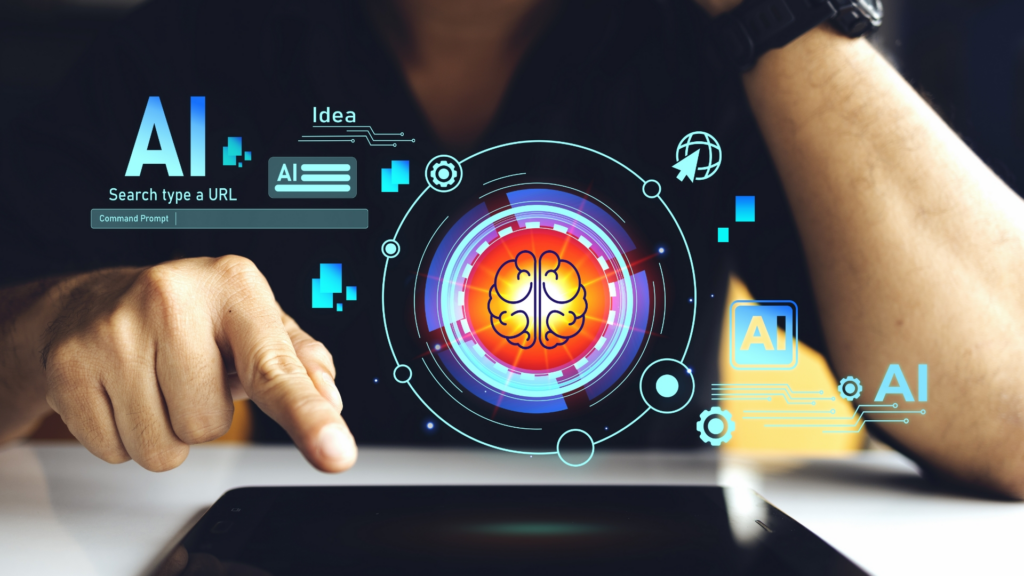
AI-Driven Code Generation: From Assistance to Autonomy
Modern AI models are moving beyond simple autocomplete features. Next-gen AI systems can now:
- Generate production-ready code from natural language prompts
- Refactor legacy codebases with minimal human intervention
- Translate code between programming languages
- Suggest architecture patterns based on project requirements
This significantly accelerates development cycles and allows engineers to focus more on problem-solving and system design rather than repetitive coding tasks.
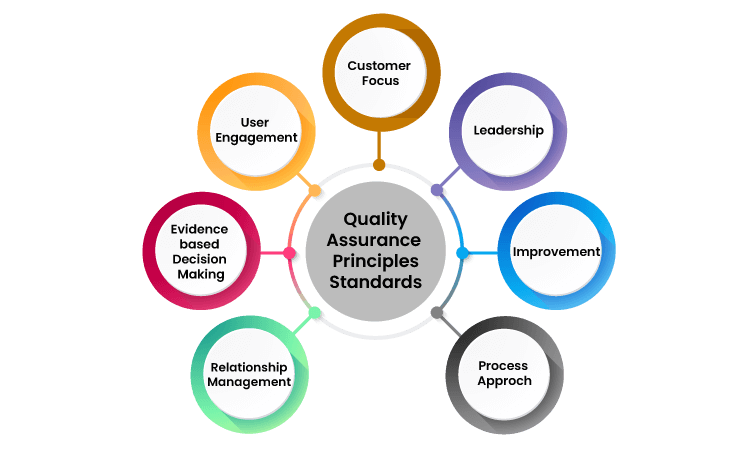
Intelligent Quality Assurance and Testing
Quality assurance has traditionally been time-consuming and heavily manual. AI is changing this by introducing:
- Automated test case generation based on code behavior
- Predictive bug detection before deployment
- Smart regression testing that adapts to code changes
- AI-powered security vulnerability scanning
By identifying issues earlier in the development pipeline, AI reduces costly post-release failures and improves overall software reliability.
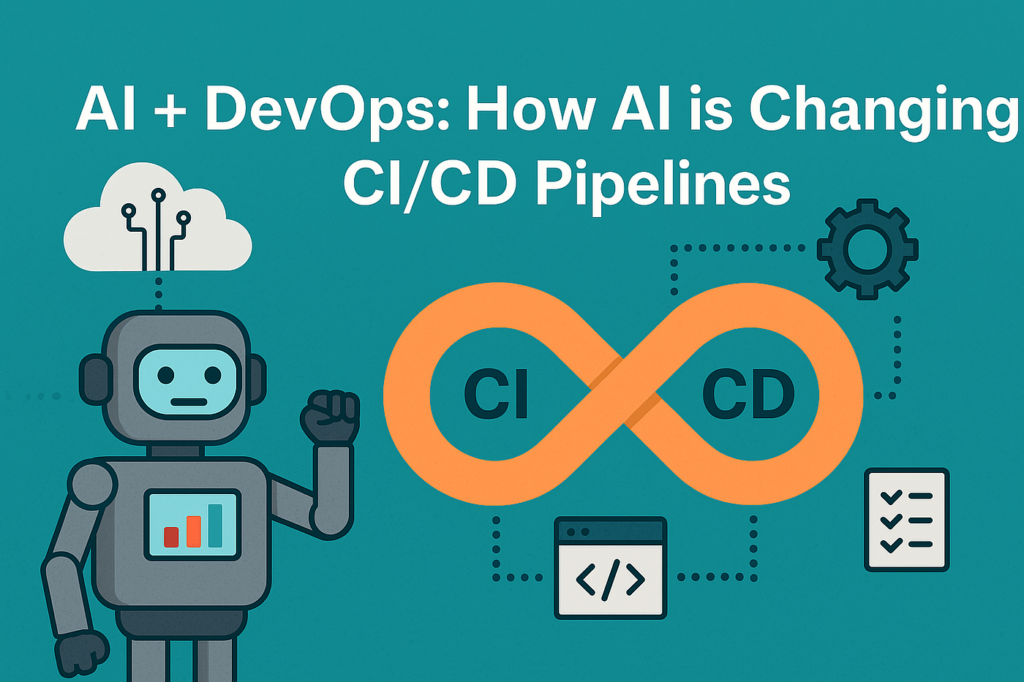
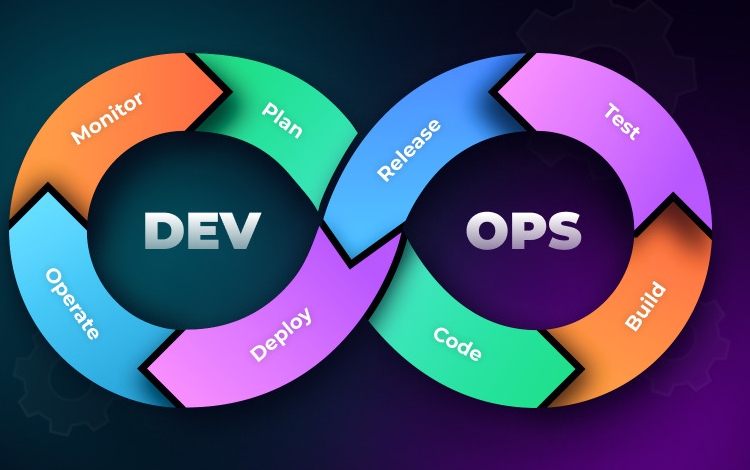
AI-Optimized DevOps and CI/CD Pipelines
Next-generation AI is also transforming DevOps practices. AI-driven systems can:
- Monitor build pipelines and detect failure patterns
- Optimize CI/CD workflows for speed and stability
- Automatically roll back deployments when anomalies are detected
- Predict infrastructure bottlenecks before they impact users
This leads to faster releases, reduced downtime, and more resilient software systems.
Runtime Optimization and Self-Healing Applications
One of the most powerful impacts of AI is at runtime. AI-enabled software can:
- Monitor application performance in real time
- Dynamically optimize resource usage
- Automatically fix performance degradation
- Self-heal from crashes and unexpected behaviors
Such capabilities are critical for cloud-native, microservices-based, and large-scale distributed systems.
The Changing Role of Software Developers
As AI becomes deeply integrated into development workflows, the role of developers is evolving. Instead of writing every line of code, developers are increasingly:
- Guiding AI systems with high-level logic
- Reviewing and validating AI-generated code
- Focusing on architecture, scalability, and security
- Making ethical and design decisions that AI cannot replace
AI enhances developer productivity, but human judgment remains essential.
Challenges and Ethical Considerations
Despite its benefits, next-gen AI in software development brings challenges:
- Code quality and maintainability concerns
- Intellectual property and licensing issues
- Biases in AI-generated logic
- Over-reliance on automated systems
Organizations must adopt AI responsibly, with strong governance, transparency, and human oversight.
The Future of Software Development
Industry leaders agree that AI will become a standard layer in the software stack. Development teams that embrace AI early will gain significant competitive advantages in speed, quality, and innovation.
Next-generation AI is not replacing software engineers it is redefining how software is built.