
Edge Computing: Why Apps Are Moving Closer to the User
As digital experiences demand faster responses and real-time intelligence, traditional cloud-centric architectures are no longer enough. A major shift is underway in software development: applications are increasingly running closer to the user on devices, gateways, and edge servers. This trend is accelerating rapidly, especially for latency-sensitive and real-time software such as IoT dashboards, AI-powered systems, and AR/VR applications.

What Does “Running Closer to the User” Mean?
Running applications closer to the user refers to processing data at or near the source where it is generated, rather than sending it to distant cloud data centers. This approach, commonly known as edge computing, reduces the physical and network distance data must travel, resulting in faster response times and improved performance.
Edge environments can include:
- User devices such as smartphones and wearables
- IoT gateways and industrial controllers
- Edge servers located near data sources
- Local micro data centers
Why Latency Matters More Than Ever
Modern applications increasingly depend on instant feedback. Even milliseconds of delay can impact usability, safety, and reliability. For example:
- IoT dashboards require real-time sensor updates for monitoring and control
- AI models used for vision or speech recognition must respond instantly
- AR/VR experiences depend on ultra-low latency to prevent motion sickness
- Autonomous and smart systems need immediate decision-making
By processing data at the edge, applications can meet these strict latency requirements.
Edge Computing in IoT and Smart Systems
IoT ecosystems generate massive volumes of data from sensors and connected devices. Sending all this data to the cloud is expensive, slow, and often unnecessary. Edge computing allows:
- Local data filtering and aggregation
- Faster anomaly detection and alerts
- Reduced bandwidth and cloud costs
- Continued operation even during connectivity loss
This makes edge computing essential for smart factories, healthcare devices, and smart cities.
AI at the Edge: Faster and Smarter Decisions
Running AI models at the edge is becoming increasingly common. Instead of relying on cloud inference, edge AI enables:
- Real-time decision-making without network delays
- Improved data privacy by keeping sensitive data local
- Lower operational costs for high-frequency AI tasks
- Better reliability in low-connectivity environments
Edge AI is now widely used in surveillance, recommendation systems, voice assistants, and industrial automation.
AR/VR and Immersive Experiences
AR and VR applications demand extremely low latency and high bandwidth. Processing graphics and interactions at the edge ensures:
- Smoother, more responsive experiences
- Reduced motion lag
- Better synchronization between user actions and visuals
Edge servers act as a bridge between user devices and the cloud, delivering immersive experiences at scale.
Architectural Shift: Cloud + Edge Together
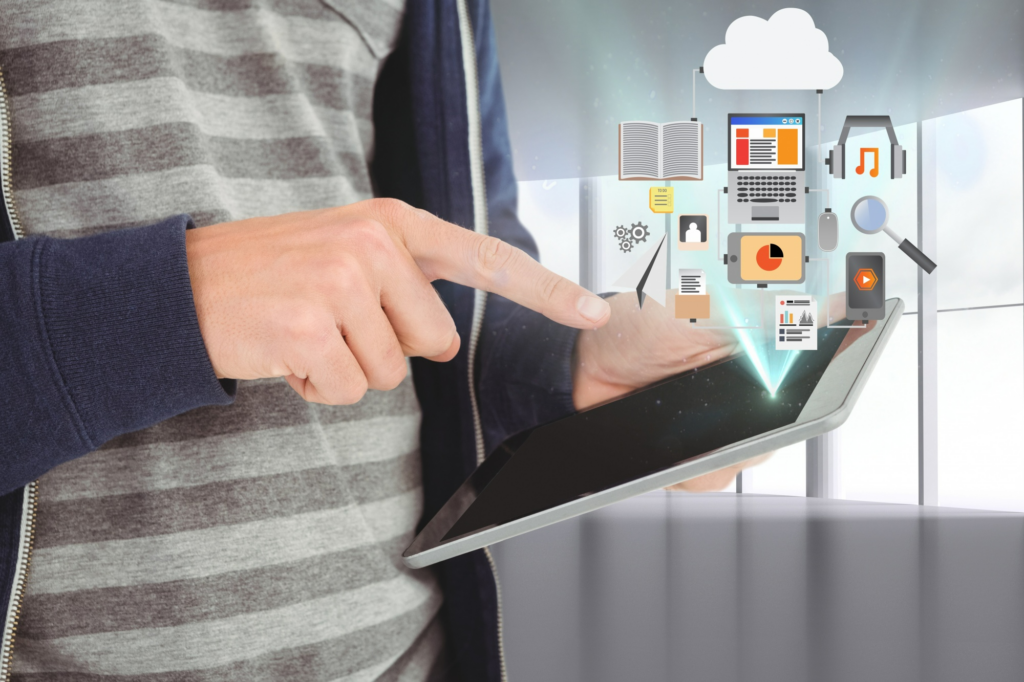
Edge computing does not replace the cloud it complements it. Modern architectures use a hybrid approach where:
- The edge handles real-time processing and immediate responses
- The cloud manages large-scale analytics, storage, and training models
- Data flows intelligently between edge and cloud layers
This balanced model offers both performance and scalability.
Challenges of Edge-Based Applications
Despite its benefits, edge computing introduces new challenges:
- Managing and securing distributed edge nodes
- Deploying updates across heterogeneous devices
- Monitoring performance outside centralized data centers
- Ensuring consistency across edge and cloud environments
Overcoming these challenges requires strong orchestration, automation, and security strategies.
The Future of Edge-First Software
As demand for real-time and intelligent applications continues to grow, edge-first architectures will become the norm. Software that runs closer to the user delivers faster performance, better reliability, and improved user experiences.
Edge computing is not just an infrastructure trend it is a fundamental shift in how modern applications are designed and delivered.