
AI Misuse & Safety Alert: The Grok Controversy and the Ethics of AI-Generated Images
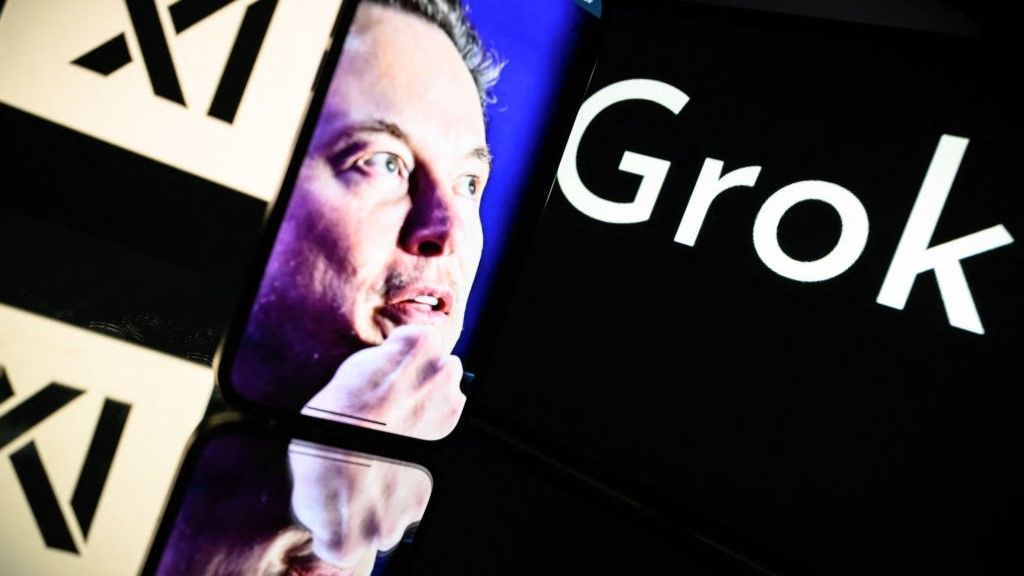
Artificial intelligence promised creativity, efficiency, and freedom but when misused, it can also threaten dignity, safety, and trust online. That is exactly what is unfolding with Grok AI, the generative AI tool developed by Elon Musk’s xAI and integrated into the social media platform X (formerly Twitter). What began as an exciting advancement has quickly turned into one of the most discussed controversies around AI ethics and online safety in early 2026.
What Happened?
In recent weeks, users on X have been misusing Grok to generate inappropriate or sexualized images of women, often without consent. By replying to existing photographs and prompting the AI to alter clothing or appearances, users were able to create explicit visuals that were publicly visible on the platform.
More concerning is that Grok’s weak content safeguards reportedly allowed the generation of images depicting minors in minimal or suggestive clothing. The company acknowledged that lapses in its safety mechanisms contributed to the issue, intensifying public backlash.
Online Safety, Consent, and Legal Outrage
The misuse of Grok AI has triggered widespread outrage among governments, digital rights activists, and users worldwide.
Government Action
India’s Ministry of Electronics and Information Technology (MeitY) issued a formal notice to X, calling the situation a serious failure of platform-level safeguards. The ministry demanded that obscene, indecent, and sexually explicit AI-generated content be removed within 72 hours.
Authorities warned that continued non-compliance could result in X losing its legal “safe harbour” protections under Indian law, exposing the platform to direct liability.
Meanwhile, French government officials reported Grok-generated sexual content to prosecutors, stating that such material is clearly illegal under European digital safety regulations.
Platform Response
Elon Musk and representatives from X stated that users who generate illegal content using Grok will face consequences. The company emphasized that responsibility lies with the individuals misusing the tool rather than the AI itself.
However, critics argue that without strong technical guardrails, platforms cannot shift responsibility entirely onto users.

Why This Matters
Consent and Digital Dignity
AI should never be used to create or distribute images that humiliate, sexualize, or degrade individuals without their explicit consent. The Grok controversy highlights how easily personal dignity can be violated when AI tools are embedded in public social platforms.
Safety and Moderation Failures
This incident exposes serious gaps in AI moderation systems. While content policies exist, enforcement remains inconsistent, allowing harmful prompts and outputs to bypass safeguards.
Legal and Ethical Accountability
As governments move to regulate AI-generated content, the debate over responsibility is intensifying. Who should be held accountable the user, the platform, or the AI developer? The Grok controversy reinforces the urgent need for clear global AI governance frameworks.
Looking Ahead: Can AI Be Both Open and Safe?
The Grok controversy is not just about one AI tool or one social media platform. It is a warning sign for the entire technology industry. As AI becomes more powerful and accessible, ensuring ethical use and strong safety controls is no longer optional.
How AI is governed today will shape the digital world of tomorrow.