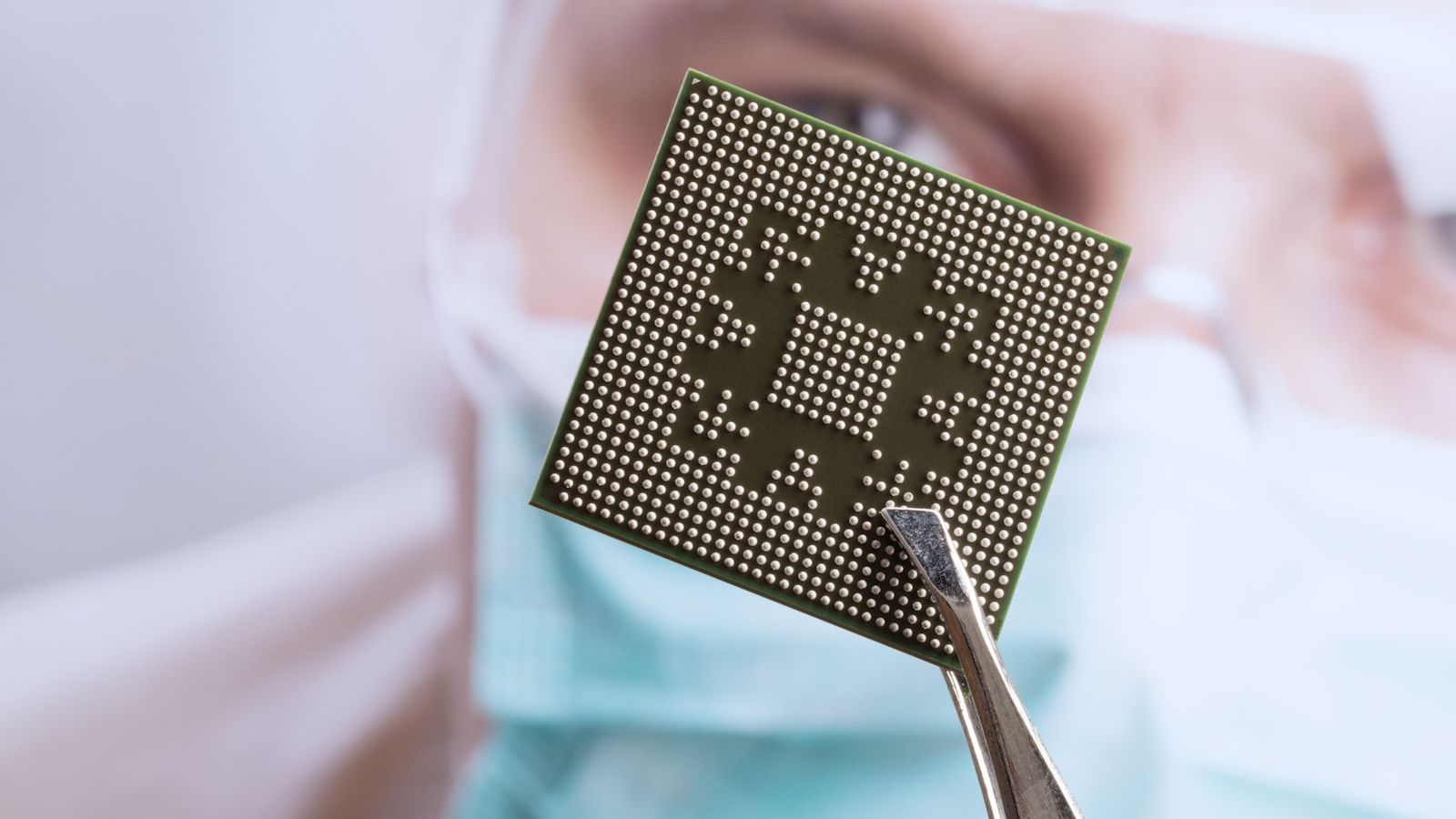
Semiconductors & Chip Technology: Why Supply Chains, IP, and Strategic Deals Are Dominating Tech Headlines
The semiconductor industry is once again at the center of global technology conversations. High-profile developments such as Nvidia licensing chip technology from Groq and bringing in senior executives highlight a deeper shift in how chip companies compete, collaborate, and secure long-term advantages.
As demand for AI, data centers, and advanced computing accelerates, chip supply chains and intellectual property (IP) have become critical strategic assets, closely watched by governments, investors, and technology leaders worldwide.
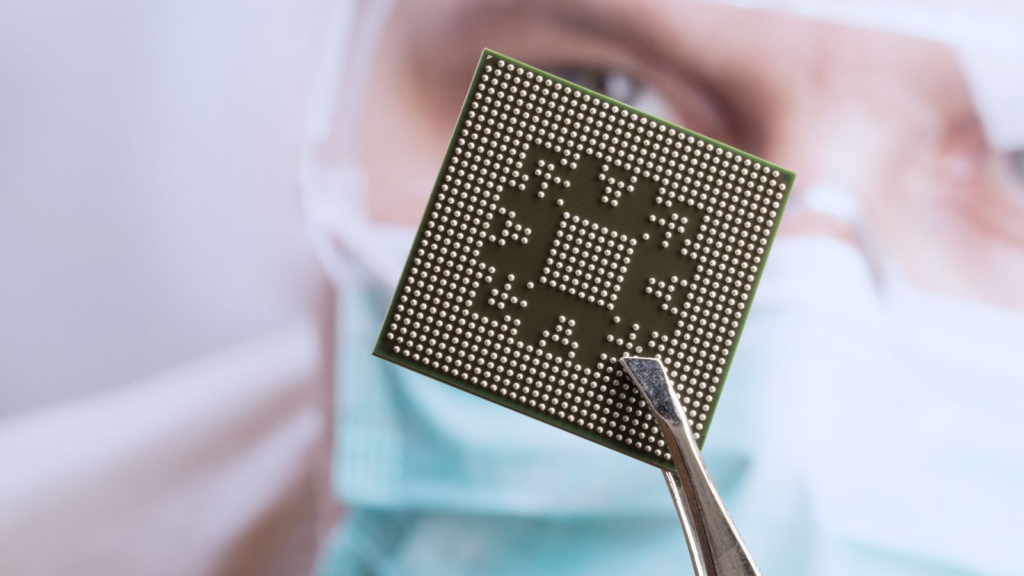
Strategic Licensing Is Replacing Pure In-House Development
For decades, major chipmakers relied heavily on internal R&D to maintain dominance. Today, that approach is evolving. Licensing specialized chip technologies allows companies to:
- Reduce development timelines
- Access proven architectures
- Enter new markets faster
- Stay competitive in niche workloads like AI inference
Nvidia’s engagement with Groq signals a broader industry trend where collaboration and selective licensing are becoming essential, even among market leaders.
Executive Talent as Competitive Capital
Beyond technology, leadership is becoming a crucial differentiator. Hiring experienced executives from innovative chip startups brings:
- Insider knowledge of emerging architectures
- Faster decision-making in product strategy
- Stronger execution in competitive markets
In an industry where product cycles are long and capital costs are massive, the right leadership can determine success or failure.
Chip Supply Chains Under Global Scrutiny
Semiconductor supply chains remain fragile and geopolitically sensitive. Factors driving concern include:
- Concentration of advanced manufacturing in limited regions
- Export controls and trade restrictions
- Rising fabrication and logistics costs
- National security considerations
Governments across the US, EU, and Asia are investing heavily in domestic semiconductor manufacturing to reduce dependency and ensure supply resilience.
Intellectual Property Is the New Battlefield
As chip designs grow more complex, intellectual property ownership and licensing rights are becoming as valuable as physical manufacturing capacity. Companies are increasingly focused on:
- Protecting proprietary architectures
- Securing long-term licensing agreements
- Navigating cross-border IP regulations
- Avoiding costly legal disputes
IP strategy now directly influences market access, partnerships, and valuations.

AI Is Reshaping Chip Priorities
Artificial intelligence workloads are pushing chipmakers to rethink traditional designs. Training large models demands massive parallel processing power, while inference requires speed, efficiency, and predictability.
This shift is driving innovation in:
- Specialized accelerators
- Energy-efficient architectures
- Hybrid chip designs
- Custom silicon for enterprise and cloud providers
AI is no longer just a software story it is fundamentally reshaping semiconductor economics.
What This Means for the Tech Industry
For enterprises, startups, and developers, these trends signal:
- Increased competition in AI hardware
- Faster innovation cycles
- Greater emphasis on efficiency and specialization
- Potential cost shifts as supply chains evolve
For investors and policymakers, semiconductors are now a strategic priority influencing national and economic security.
Final Thoughts
Semiconductors and chip technology are no longer just components behind the scenes they are the foundation of modern innovation. From licensing deals and executive moves to supply chain resilience and IP battles, the industry is undergoing a structural transformation.
As AI adoption grows and geopolitical tensions persist, the companies that master technology, talent, and supply chain strategy will define the future of global computing.