
Wearables & Mobile Tech Get Smarter: The Rise of AI-Powered Personal Devices
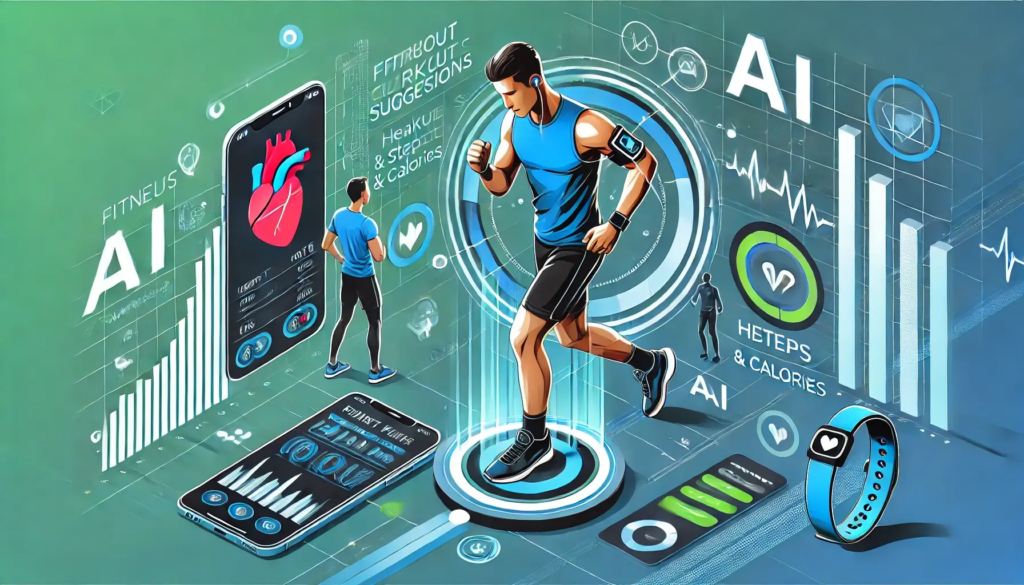
Wearable and mobile technology is entering a new era one where devices don’t just track activity or display notifications, but actively think, assist, and adapt to users. Powered by artificial intelligence, the latest generation of wearables and smartphones is redefining personal technology and how humans interact with machines.
Wearables Beyond Fitness: From Trackers to AI Companions
Wearables were once limited to counting steps and monitoring heart rate. Today, they are evolving into always-on AI companions. AI-powered smart glasses can now provide real-time navigation, language translation, and contextual information through augmented reality. Smart rings discreetly track health metrics while also enabling gesture-based control and secure authentication.
Perhaps the most significant shift is the emergence of AI wearables that listen, learn, and respond. These devices analyze conversations, summarize information, and offer personalized insights effectively acting as a second brain. This marks a major transition from passive tracking to active intelligence, making wearables more personal and indispensable than ever.
Smartphones Are Becoming AI-First Devices
Modern smartphones are no longer just communication tools they are AI-powered computing hubs. Innovations like foldable displays and XR (Extended Reality) capabilities are changing how users consume content, multitask, and interact with apps.
AI integration in mobile devices enables smarter cameras, real-time photo and video enhancement, voice assistants that understand context, and predictive features that anticipate user needs. With on-device AI processing, smartphones can deliver faster responses, better privacy, and seamless experiences without relying heavily on the cloud.
Foldables, XR & Immersive Mobile Experiences
Foldable phones are pushing the boundaries of mobile design, offering tablet-like productivity in a pocket-sized form. Meanwhile, XR devices blending augmented reality and virtual reality are opening new possibilities in gaming, education, remote work, and digital collaboration.
As hardware innovation combines with AI intelligence, mobile experiences are becoming more immersive and intuitive. Smartphones and wearables are no longer separate ecosystems; they are converging into a connected personal technology network.
The Bigger Trend: Technology That Understands You
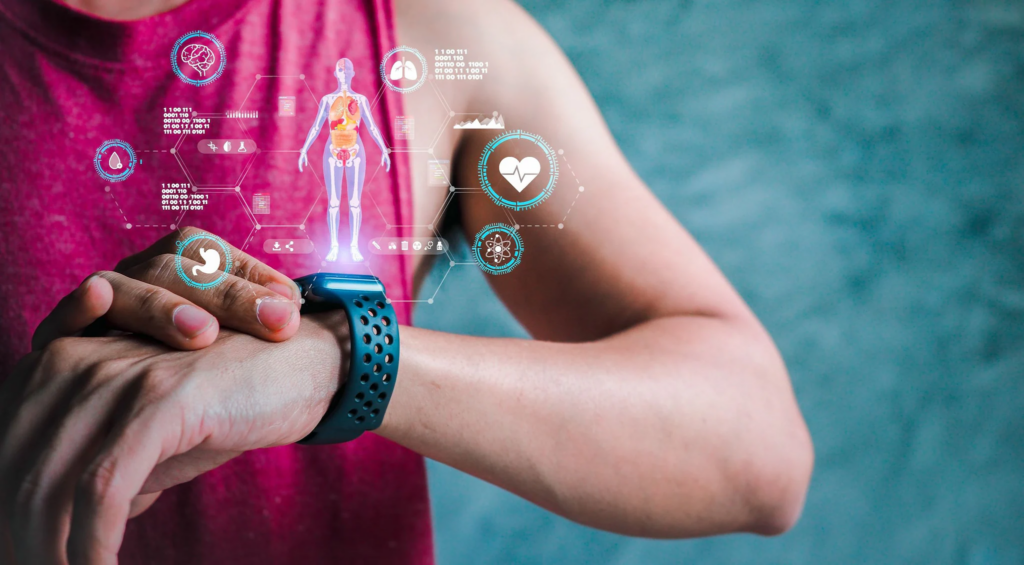
The common thread across wearables and mobile tech is context awareness. Devices are learning user behavior, preferences, and environments to deliver more relevant and timely assistance. This shift raises important questions about privacy, data security, and ethical AI use but it also unlocks enormous potential for productivity and personalization.
Final Thoughts
Wearables and mobile technology are getting smarter and more human-centric. With AI glasses, smart rings, foldables, and XR-powered smartphones, personal devices are evolving into intelligent companions that enhance daily life. As this trend accelerates, the line between human intelligence and digital assistance will continue to blur.
The future of personal tech isn’t just smart it’s intuitive, adaptive, and always learning.